Managing HAVS Risk in heavy engineering: best practices for Hand-Arm vibration compliance
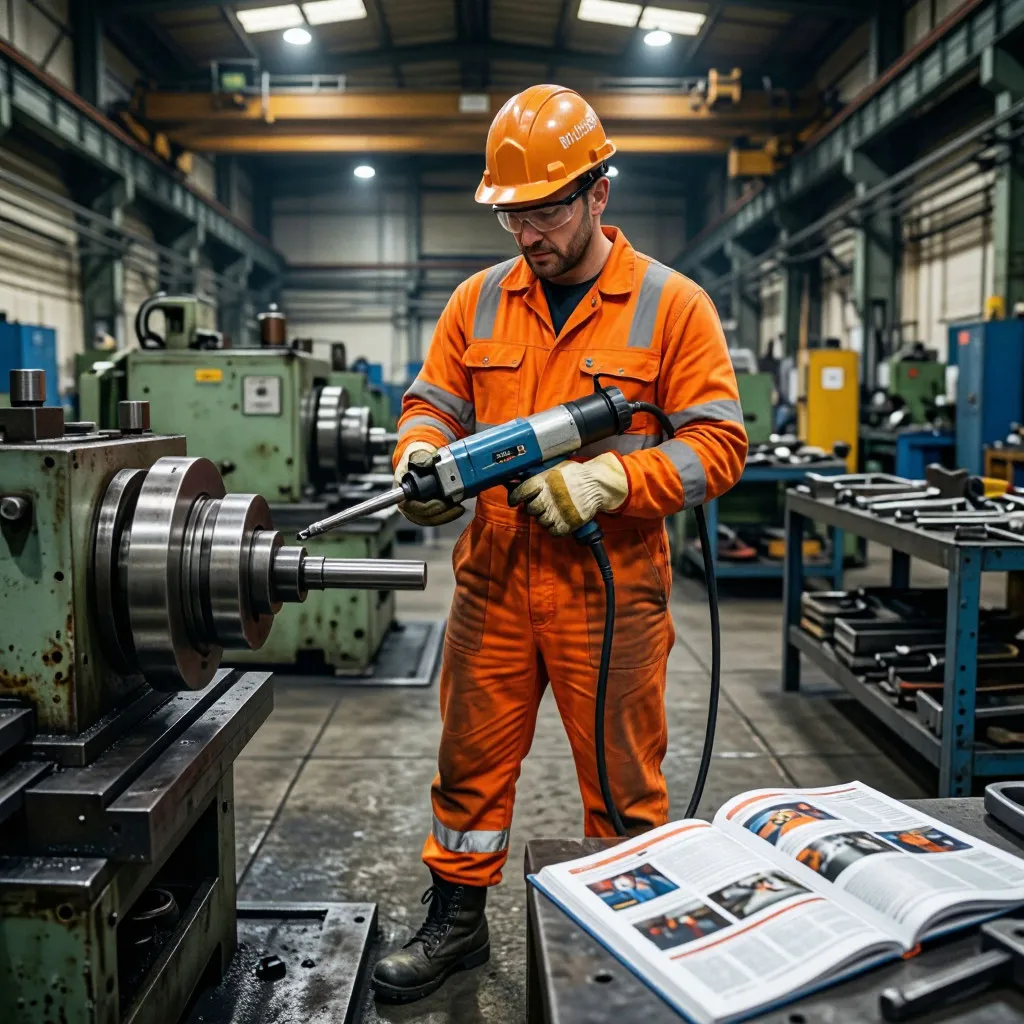
Heavy engineering facilities are environments of intense physical production, where the roar of heavy machinery is accompanied by the constant hum of handheld power tools. While acute injuries from heavy machinery are easy to spot and prevent, some of the most debilitating occupational hazards develop slowly over several years. Among these, the neurological and vascular damage caused by repetitive tool vibration presents a significant challenge to workforce health and operational productivity. Understanding how to manage this invisible hazard is essential for keeping workers safe and ensuring that manufacturing facilities remain fully compliant with national safety standards.
Understanding the regulatory landscape under HSE guidelines
To protect industrial workers from permanent bodily damage, regulatory bodies have established strict limits on daily vibration exposure. In Great Britain, the Control of Vibration at Work Regulations 2005 set clear legal responsibilities for employers to monitor, control, and reduce the physical stress placed on their operators’ hands and arms. Failing to address these issues can lead to severe neurological damage, muscle weakness, and a painful circulatory condition commonly referred to as vibration white finger.
Conducting a thorough HAVS risk assessment UK is the first critical step toward establishing a legally compliant work environment. Safety managers must systematically analyze every process that involves handheld or hand-guided power tools to determine where risks exist. To build a robust prevention strategy, industrial facilities generally implement a series of targeted occupational health measures:
- Tool inventory audits: creating a comprehensive registry of all vibrating equipment alongside their manufacturer-specified vibration levels;
- Exposure time estimations: calculating the actual trigger time for each operator during a typical shift rather than relying on total shift duration;
- Health surveillance programs: introducing regular medical check-ups for employees to detect early symptoms of nerve or vascular damage;
- Employee training initiatives: educating workshop staff on correct tool grips, the importance of maintaining warm hands, and early warning signs.
By organizing safety efforts around these structured prevention programs, companies can identify high-risk tasks before they result in permanent occupational illness. This proactive approach not only satisfies legal auditors but also fosters a culture where physical well-being is prioritized alongside daily manufacturing targets. Once the initial risk landscape is mapped, the focus shifts to calculating the exact physical forces acting on the workforce.
Deciphering the HSE vibration exposure metrics
To make vibration monitoring practical for everyday workshop management, safety regulators have translated complex acceleration frequencies into a standardized points-based exposure system. The daily vibration exposure of an employee is measured using an A(8) value, which represents the average vibration level over an eight-hour working shift. The Health and Safety Executive enforces two crucial thresholds that dictate what actions an employer must take to protect their workforce.
Understanding the relationship between vibration magnitude, trigger time, and the corresponding exposure points is vital for planning daily production schedules safely. The following reference data illustrates how different tool vibration levels correspond to the official exposure thresholds and the maximum safe working times allowed under current industrial occupational health standards:
| Tool vibration level | Exposure action value (EAV) | Exposure limit value (ELV) | Maximum daily trigger time |
|---|---|---|---|
| Low vibration: 2.5 m/s² | 100 points (reached in 8 hours) | 400 points (reached in 32 hours) | 8 hours (limited by EAV threshold) |
| Medium vibration: 5.0 m/s² | 100 points (reached in 2 hours) | 400 points (reached in 8 hours) | 8 hours (limited by ELV threshold) |
| High vibration: 10.0 m/s² | 100 points (reached in 30 minutes) | 400 points (reached in 2 hours) | 2 hours (limited by ELV threshold) |
| Extreme vibration: 15.0 m/s² | 100 points (reached in 13 minutes) | 400 points (reached in 53 minutes) | 53 minutes (highly restricted use) |
The data clearly demonstrates that as tool vibration increases, the safe working window shrinks at an exponential rate, making manual tracking incredibly difficult without clear metrics. For instance, an operator using a high-vibration concrete breaker can reach their absolute legal daily limit in just two hours of active trigger time. To prevent workers from exceeding these critical thresholds, modern heavy engineering firms must implement reliable methods for recording daily tool usage.
Implementing reliable tool usage logs and monitoring technology
Historically, workshops relied on paper logs where workers estimated how long they operated specific machinery, but this manual method often resulted in inaccurate data and compliance gaps. Modern safety management demands more precise data collection to verify that no individual exceeds the legal limits during their daily tasks. Today, heavy engineering firms are turning to digital tracking solutions to replace manual estimation with real-time physical measurements.
Transitioning to a modern exposure tracking system requires a combination of wearable hardware and centralized management software. These digital tools remove the guesswork from safety compliance by automatically calculating exposure points based on the active vibration frequency of the tool being used. When designing a modern monitoring protocol, safety coordinators should focus on several essential data points:
- Operator identification: assigning a unique digital profile to each technician to track their cumulative exposure across different workstations;
- Tool vibration signature: calibration of the tracking sensors to match the specific physical output of each tool in the workshop;
- Active trigger time: recording only the exact moments when the tool is running and vibrating, rather than the total time spent at the workbench;
- Real-time threshold alerts: implementing visual or haptic warnings on wearable devices when an operator approaches their daily action value.
Adopting these automated tracking methods ensures that safety personnel have access to highly accurate, auditable data in the event of an regulatory inspection. This real-time visibility allows supervisors to reassign workers to low-vibration tasks dynamically before they cross safe thresholds. Beyond administrative controls and digital logging, protecting workers also requires addressing the physical interface between the hand and the tool.
The role of protective gear and ergonomic tool design
While engineering controls like low-vibration tools are the most effective way to eliminate risk, personal protective equipment and ergonomic adjustments serve as crucial secondary lines of defense. It is important to note that standard gloves do not absorb low-frequency vibrations effectively, meaning that specialized safety gear must be selected carefully. Keeping the hands warm and dry is actually one of the most effective ways to combat vascular constriction, which is a major contributing factor to vibration white finger.
In addition to specialized anti-vibration gloves, heavy engineering firms should invest in ergonomic tool modifications, such as rubberized dampening sleeves and heated handles for cold environments. Regular maintenance also plays a vital role, as worn bearings, unbalanced grinding discs, and blunt drill bits can significantly increase the physical vibration output of a tool. By combining strict adherence to hand arm vibration syndrome regulations with modern ergonomic practices, companies can successfully safeguard their workforce while maintaining peak industrial output.