
Temporary works design: British Standard BS 5975 and why the TWC role matters

Most people outside construction have never heard of temporary works, and that is precisely the problem. Scaffolding, excavation support, falsework, propping, formwork, crane pad foundations, trench boxes — none of these appears in the finished building, yet all of them stand between a project’s workers and some of the most dangerous conditions the industry produces. Temporary works failures account for …
Brownfield site remediation: engineering solutions for complex UK ground conditions

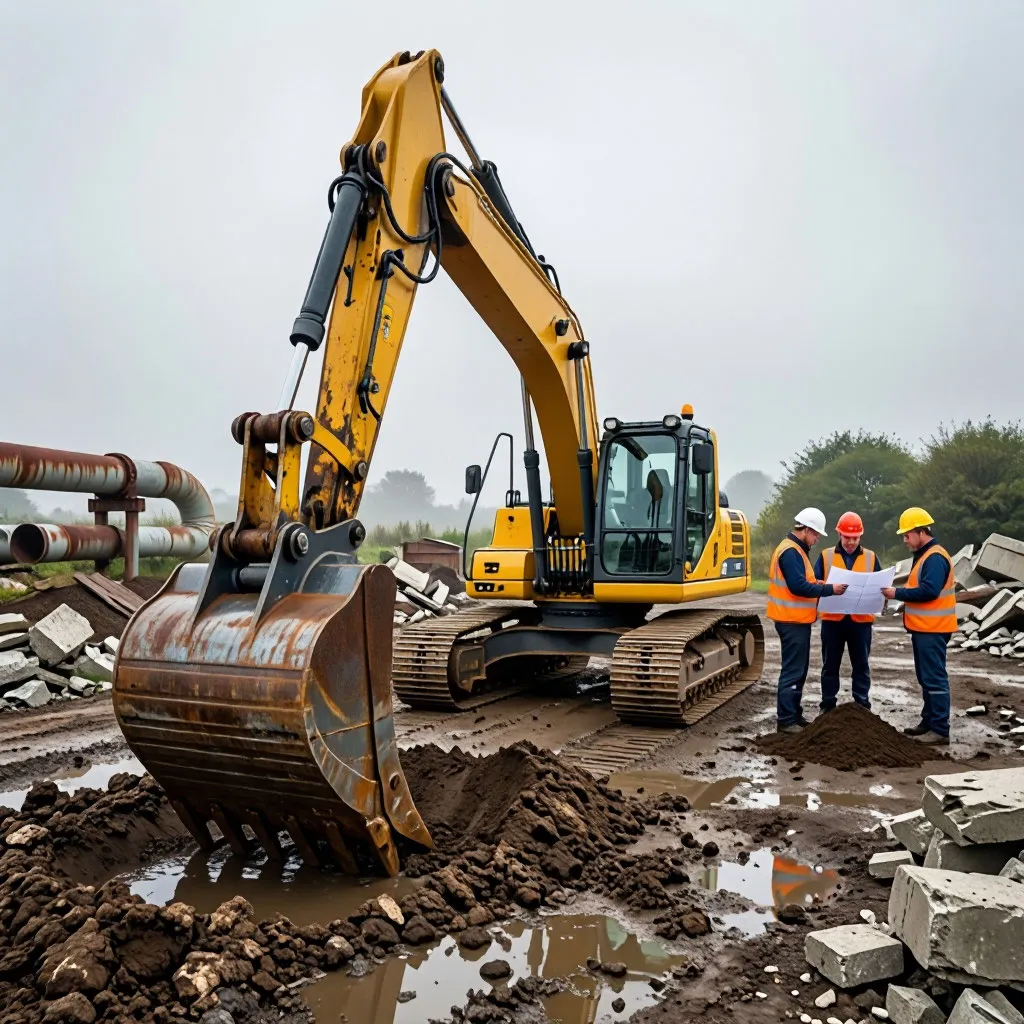
The scars of the United Kingdom’s industrial heritage are etched deep into its landscape, leaving behind thousands of hectares of disused factories, chemical plants, and railway depots. As the demand for housing and modern commercial spaces intensifies, building on untouched greenfield land has become highly restricted. This shift has forced the construction sector to focus on reclaiming abandoned plots, turning …

Safe demolition of high-rise industrial structures: risk management and environmental compliance

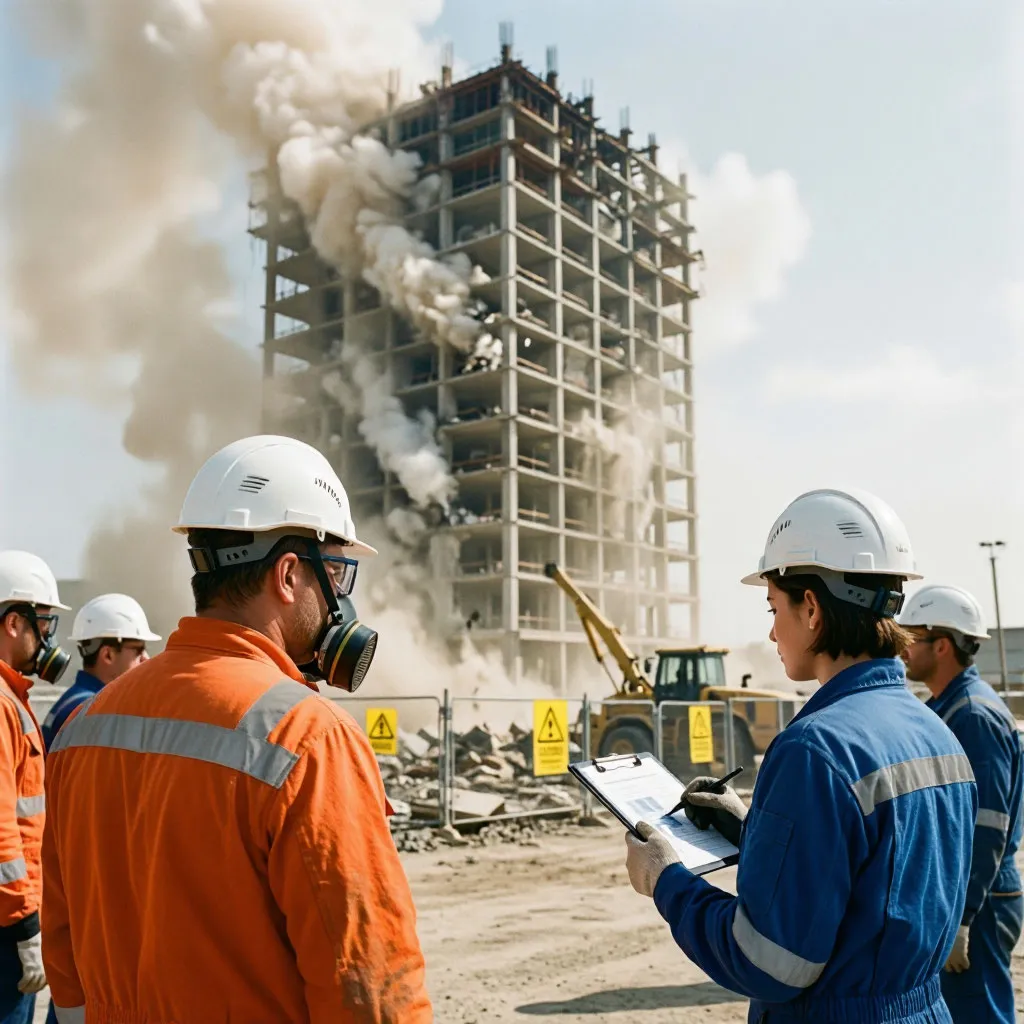
The skylines of many British industrial towns and cities are defined by decommissioned coal-fired power stations, chemical plants, and historic manufacturing complexes. As the nation transitions toward a low-carbon economy, these aging, high-hazard structures must be safely removed to make way for modern housing, commercial hubs, and green spaces. However, bringing down structures that stand over 100 meters tall—such as …