Brownfield site remediation: engineering solutions for complex UK ground conditions
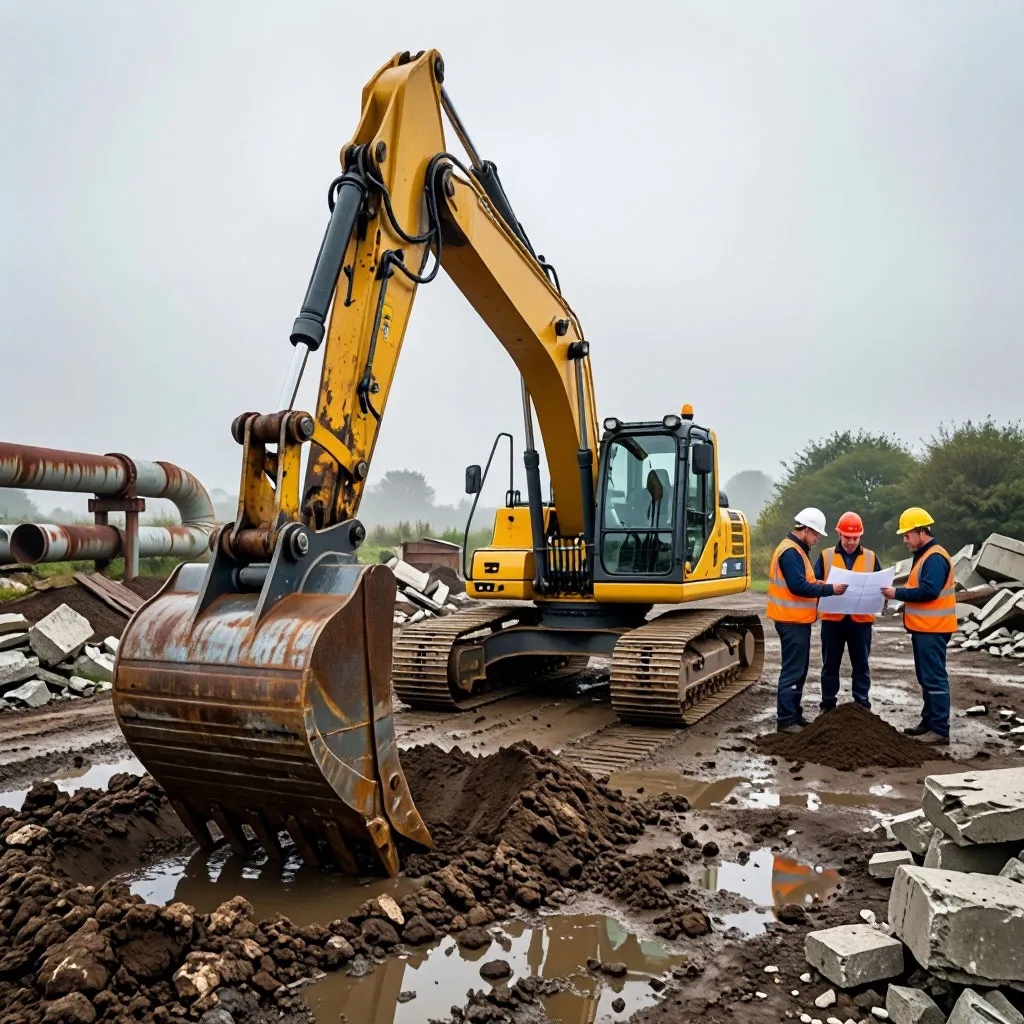
The scars of the United Kingdom’s industrial heritage are etched deep into its landscape, leaving behind thousands of hectares of disused factories, chemical plants, and railway depots. As the demand for housing and modern commercial spaces intensifies, building on untouched greenfield land has become highly restricted. This shift has forced the construction sector to focus on reclaiming abandoned plots, turning environmental hazards into valuable community assets. Successfully transforming these neglected areas requires a deep understanding of soil chemistry, historical land use, and advanced geotechnical engineering techniques.
The geological legacy of the industrial age
Before any concrete can be poured, civil engineers must untangle a complex web of subsurface hazards left behind by decades of manufacturing. Unlike virgin ground, these sites contain an unpredictable mix of chemical residues, unstable man-made deposits, and forgotten subterranean infrastructure. Identifying these hidden hazards early prevents costly project delays and protects the safety of construction crews. The most common challenges encountered during the initial investigation phase of civil engineering brownfield development projects include:
- heavy metal pollution: high concentrations of lead, arsenic, and cadmium from old metallurgical processes;
- organic compounds: extensive plumes of chemical solvents, oils, and tar buried deep within the soil strata;
- structural obstructions: forgotten concrete foundations, basements, and utility pipelines that interfere with new piling works;
- ground instability: areas of poorly compacted backfill material that cannot support heavy modern structures.
Understanding these varied underground hazards allows design teams to select the most appropriate mitigation strategies before heavy machinery arrives on-site. Without a comprehensive conceptual site model, subsequent groundwork phases face severe financial and environmental risks. Once the subsurface profile is mapped, engineers can deploy targeted physical and chemical technologies to clean the ground.
Modern engineering technologies for soil purification
Clearing hazardous materials from a site no longer relies on the outdated practice of simply digging up contaminated soil and dumping it into landfills. Modern environmental standards and rising landfill taxes have made on-site treatment technologies far more economically and ecologically viable. The choice of treatment depends on the specific chemical profile of the site, the soil permeability, and the future use of the land.
To help developers choose the most effective approach for contaminated land reclamation, we have compared the leading physical, chemical, and biological cleanup methods used in the UK today:
| Treatment method | Primary target contaminants | Operational mechanism | Environmental footprint |
|---|---|---|---|
| Bioremediation | Hydrocarbons and organic solvents | Microorganisms break down toxins naturally | Extremely low carbon output |
| Soil washing | Heavy metals and coarse residues | Water-based scrubbing separates fine contaminated particles | Medium resource consumption |
| Thermal desorption | Volatile organic compounds | Heat vaporizes chemical pollutants for safe collection | High energy requirements |
| Solidification | Inorganic compounds and heavy metals | Binding agents lock pollutants in an inert physical matrix | Low immediate impact |
Selecting the right combination of these advanced methodologies ensures that the site meets strict safety standards for its intended end-users. By treating the soil directly on-site, developers can significantly lower transport costs and reduce the carbon footprint associated with hauling thousands of tonnes of earth. Once the soil is clean, the focus shifts to ensuring that the ground can safely support the physical weight of new buildings.
Geotechnical stabilization and foundation engineering
Reclaiming industrial plots often presents severe structural challenges, as the underlying ground is rarely uniform or naturally compacted. Decades of heavy machinery usage, demolition work, and unregulated backfilling leave behind pockets of weak, compressible soil that cannot support traditional shallow foundations. To prevent uneven settling and structural failure, civil engineers must design specialized ground improvement schemes.
Techniques such as vibro-replacement, where stone columns are vibro-displaced into the weak soil, are frequently used to increase the bearing capacity of the ground. In cases of deeper contamination or highly unstable strata, engineers specify deep piled foundations that transfer the structural load past the weak upper layers down to solid bedrock. These engineering solutions allow developers to build multi-story residential and commercial complexes safely on sites that were once deemed completely unbuildable.
Mitigating hazards during active excavation works
The physical process of disturbing contaminated ground represents the highest risk phase of any reclamation project, as digging can release trapped gases and mobilize chemical pollutants. Without strict operational controls, hazardous dust can blow into neighboring communities, and toxic rainwater runoff can pollute local rivers. Therefore, establishing a comprehensive safety protocol is essential for protecting both the workforce and the surrounding environment.
To maintain safety during the heavy excavation phase, site managers must implement a series of strict operational safeguards. These steps prevent the uncontrolled release of pollutants and ensure full compliance with environmental protection regulations:
- Pre-demolition structural surveys: locating and safely removing any remaining asbestos insulation before groundworks begin;
- Continuous boundary monitoring: installing sensors to track airborne dust levels and gas emissions in real-time;
- Active dust suppression: using water misting systems to keep dry, contaminated soils damp during digging operations;
- Surface water management: constructing temporary retention ponds to capture and treat dirty rainwater runoff before it leaves the site.
Following these disciplined operational protocols ensures that the reclamation process does not cause secondary pollution in the surrounding community. By managing these risks proactively, contractors can maintain a safe work environment and avoid costly regulatory shutdowns. Ultimately, this careful planning paves the way for a successful transition from industrial wasteland to a safe, modern development.
The future of urban land reclamation
Successfully executing a brownfield site remediation UK project requires a delicate balance of chemical science, geotechnical engineering, and strict groundworks risk management. While the challenges of developing historically contaminated land are significant, the environmental and economic rewards of bringing these sites back into productive use are immense. By deploying modern cleaning technologies and innovative foundation designs, the engineering sector continues to play a vital role in transforming abandoned industrial spaces into the safe, sustainable communities of tomorrow.