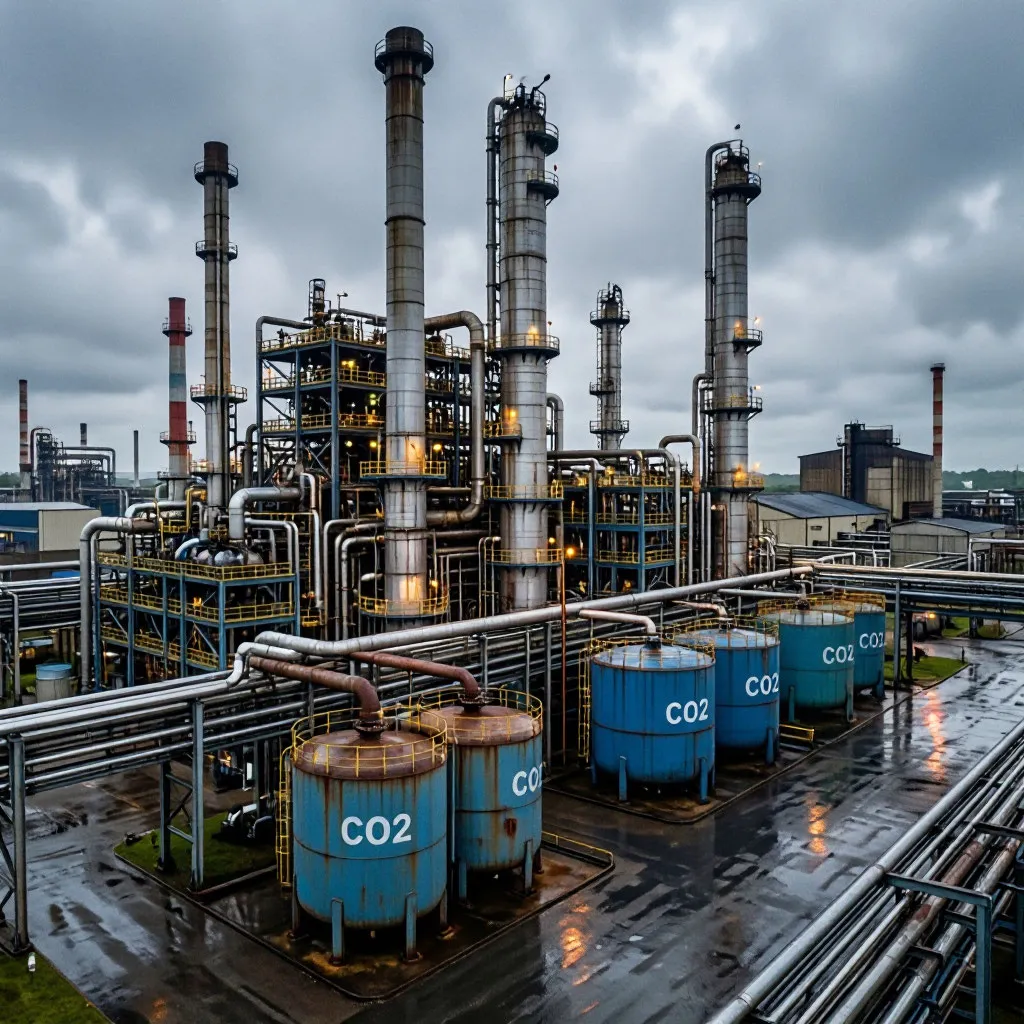
Decarbonising UK heavy industry: the future of Carbon capture and storage (CCS) infrastructure

The historic chimneys of Britain’s industrial heartlands, once symbols of the Industrial Revolution, are undergoing a quiet but profound transformation. As the nation races towards its net-zero obligations, heavy industries like cement, steel, and chemical manufacturing are finding new ways to operate without releasing tons of greenhouse gases into the atmosphere. This massive shift relies heavily on capturing emissions at …

Betting on the Go: How DashKing88 PWA Saves Data and Prevents Disconnects

By mid-2026, the global mobile gaming landscape has shifted focus. While 5G is the headline, the real innovation lies in how platforms handle “degraded” networks. For the traveling bettor, there is nothing more frustrating than a live roulette wheel freezing just as the ball drops because of a spotty 3G connection. DashKing88 has addressed this “pain point” by pivoting away …

Aphrodite Casino Withdrawal Guide: Crypto vs. Bank Transfer

Winning at the slots or a high-stakes live dealer table is an exhilarating experience, but the true test of any gaming platform is how efficiently it puts those winnings into your hands. In 2026, Aphrodite Casino has set a new benchmark for financial transparency, moving away from the sluggish processing times of the past. Whether you are a fan of …

Modernising UK rail infrastructure: key safety and technology updates

The United Kingdom rail network is undergoing its most significant technological and structural shift in a generation. With the activation of Control Period 7 (CP7), the focus of capital investment has pivoted decisively from massive, new-build megaprojects toward the modernization, electrification, and digitization of the existing footprint. This strategic redirection is driven by the urgent need to improve passenger reliability, …

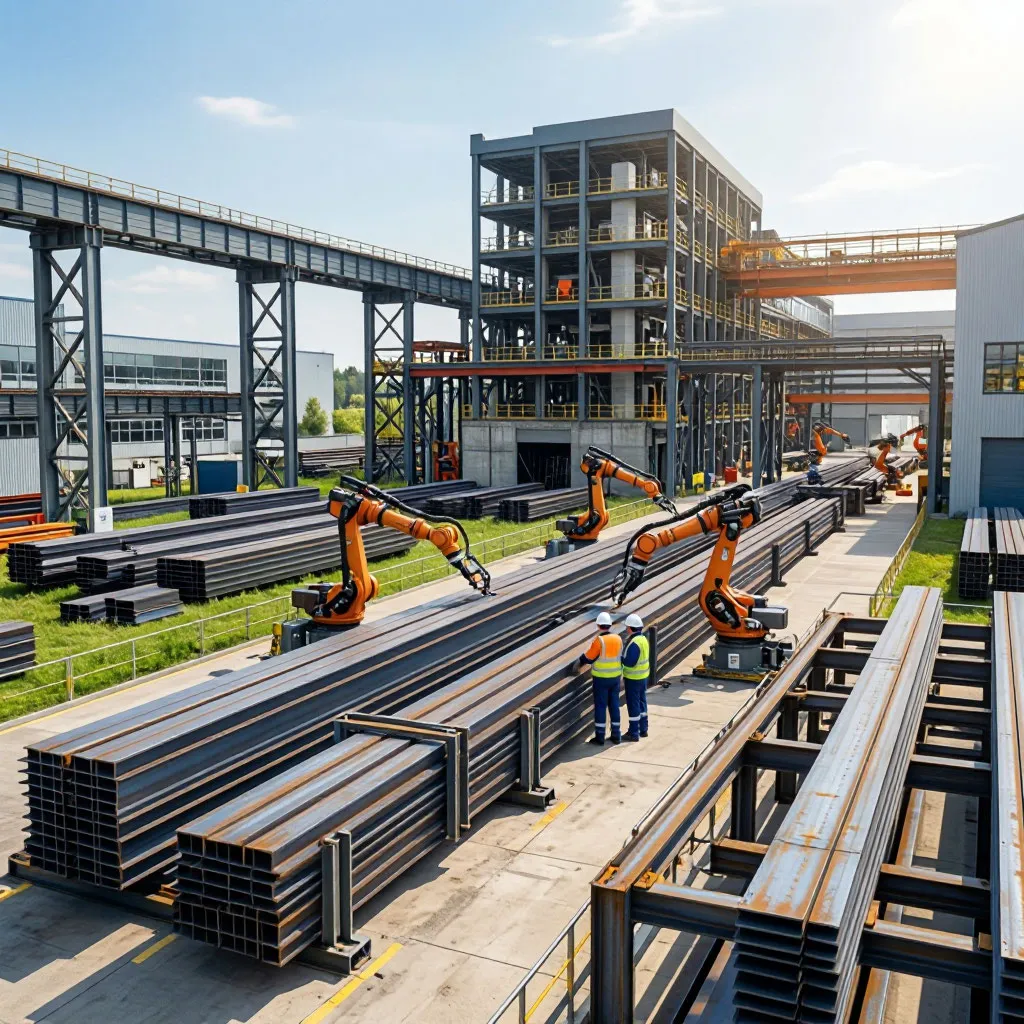
Green steel and net-zero construction: how the UK fabrication sector is adapting for 2026

The target for the United Kingdom to achieve net-zero carbon emissions by 2050 is no longer a distant legislative goal; rather, it is a pressing operational reality that is rapidly reshaping the built environment. As we move through 2026, the construction supply chain is facing unprecedented pressure from both public and private sector clients to measure, report, and drastically reduce …