Green steel and net-zero construction: how the UK fabrication sector is adapting for 2026
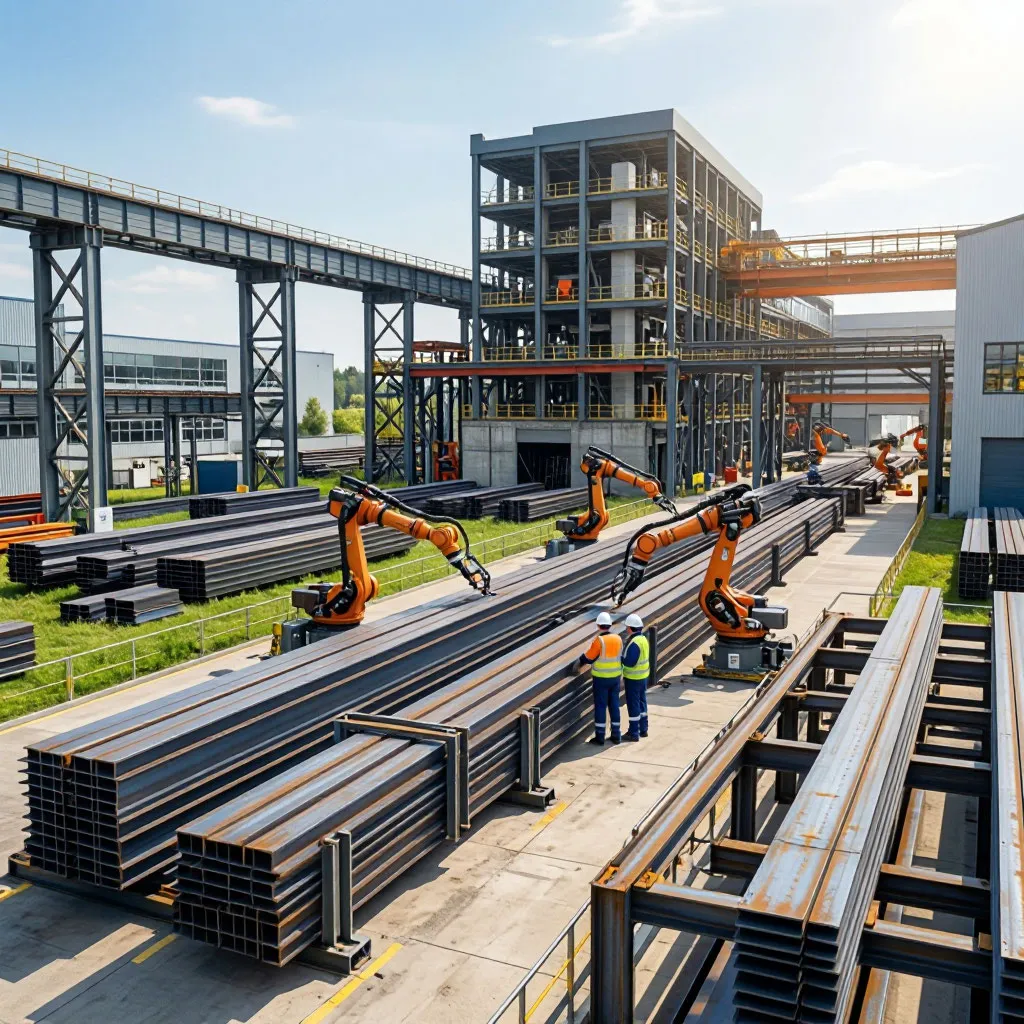
The target for the United Kingdom to achieve net-zero carbon emissions by 2050 is no longer a distant legislative goal; rather, it is a pressing operational reality that is rapidly reshaping the built environment. As we move through 2026, the construction supply chain is facing unprecedented pressure from both public and private sector clients to measure, report, and drastically reduce embodied carbon. At the center of this environmental reckoning is the structural steel sector, an industry historically associated with high energy consumption and heavy carbon footprints. To remain competitive in a marketplace governed by strict environmental standards, fabricators across the nation are undergoing a profound technological and cultural transition, rewriting the rules of how modern structures are designed, sourced, and assembled.
The structural shift toward circularity and low-carbon materials
To meet these ambitious environmental goals, UK fabrication plants are actively overhauling their operational models. This transition involves more than just changing energy suppliers; it requires a systemic shift in how materials are sourced, processed, and tracked throughout their lifecycle. Industry leaders are abandoning old, linear manufacturing philosophies in favor of circular principles that prioritize resource efficiency and long-term durability. The following points outline the primary strategic actions that fabricators are taking to align their operations with modern sustainability mandates:
- Sourcing electric arc furnace (EAF) steel: transitioning away from carbon-intensive blast furnace steel in favor of material produced using recycled scrap and renewable electricity.
- Implementing digital material passports: utilizing blockchain and advanced tracking databases to provide clients with absolute transparency regarding the origin and carbon footprint of every steel section.
- Optimizing structural designs for material reduction: using advanced engineering software to design lighter steel frames that maintain structural integrity while using up to twenty percent less raw material.
- Electrifying transport and logistics fleets: replacing diesel-powered material handling equipment and delivery trucks with zero-emission electric and hydrogen-fueled alternatives.
- Investing in local supply chains: sourcing raw materials closer to the fabrication site to minimize the carbon emissions associated with long-distance shipping and transport.
Embracing these process transformations allows fabricators to significantly reduce their Scope 1 and Scope 2 emissions. By proving a lower carbon intensity at the factory gate, suppliers position themselves as forward-thinking partners capable of supporting the green procurement objectives of major private and public developers. This proactive stance is essential for surviving in a commercial landscape where environmental performance is audited just as strictly as financial health and safety-critical compliance.
Navigating the commercial reality of green public procurement
The commercial imperative for this transition is clear, particularly when bidding for high-value public sector projects. The UK government has integrated social value and carbon reduction metrics directly into its tendering frameworks, making environmental performance as critical as financial competitiveness. Under current procurement guidelines, any contractor bidding for public works over five million pounds must provide a comprehensive carbon reduction plan that details how they will contribute to net zero construction UK initiatives.
| Material parameter | Traditional blast furnace steel | Green steel fabrication methods |
|---|---|---|
| Average carbon intensity | Approximately 1.8 to 2.2 tonnes of CO2 per ton of steel | Less than 0.5 tonnes of CO2 per ton of steel |
| Primary energy source | Coal-fired blast furnaces and basic oxygen furnaces | Renewable electricity in electric arc furnaces or hydrogen-direct reduction |
| Recycled content ratio | Typically 10% to 25% recycled scrap metal | Up to 100% recycled scrap metal content |
| Procurement status | Increasingly restricted under public sector carbon limits | Highly preferred for sustainable infrastructure trends tenders |
| Long-term regulatory compliance | Faces rising carbon taxes and potential landfill penalties | Fully compliant with UK carbon neutral construction targets |
This comparative analysis highlights why the adoption of low-carbon steel is accelerating across the structural engineering sector. While the initial raw material cost for green steel remains slightly higher due to the early stage of Electric Arc Furnace (EAF) and hydrogen-reduction technologies, the long-term commercial benefits in terms of tax incentives and contract wins far outweigh this premium. Furthermore, as global carbon taxes continue to rise, the cost gap between traditional and green steel is projected to close entirely over the coming years.
Technological innovations driving decarbonisation in fabrication
Behind this material revolution lies a suite of advanced manufacturing technologies that enable fabricators to optimize resource use. By integrating digital design with energy-efficient processing, modern workshops can minimize material waste and optimize energy consumption during the manufacturing phase. These technological solutions allow contractors to deliver high-quality, bespoke structural solutions that meet the demanding engineering standards of modern commercial developments. The list below highlights the key digital and mechanical innovations that are currently transforming modern fabrication facilities across the country:
- Automated laser nesting software: optimizing the cutting patterns on steel plates to maximize material utilization and minimize scrap waste.
- Solar-powered manufacturing facilities: installing large-scale photovoltaic arrays on factory roofs to power heavy CNC machinery and welding lines.
- Hybrid and hydrogen welding systems: transitioning to high-efficiency welding equipment that reduces electrical consumption and utilizes cleaner shielding gases.
- Advanced non-destructive testing: using digital ultrasonic scanning to verify weld quality instantly, eliminating the need for energy-intensive rework.
- Circular design for deconstruction: detailing steel connections with bolted joints rather than welds, allowing the structure to be easily dismantled and reused at the end of its life.
Implementing these technological advancements ensures that the physical fabrication process remains as clean as the material itself. It allows steelwork detailers to deliver high-performance structural frames that require less raw steel, directly contributing to the decarbonization of the built environment. As these technologies become standard across the industry, they will redefine the baseline of sustainable construction practices.
Conclusion
The transition toward green steel and net-zero construction is no longer a localized trend, but a fundamental evolution of the global manufacturing sector. For UK fabricators, adapting to these changes is the definitive way to secure their position in the future economy, ensuring they can continue to win prestigious government frameworks and private development contracts. By combining advanced manufacturing technologies with low-carbon materials, the structural steel industry is proving that heavy manufacturing can play a vital role in building a cleaner, more sustainable world.