Planned vs reactive maintenance: costs, benefits and differences

Every building owner, facilities manager and maintenance team eventually confronts the same choice: fix things before they break, or wait until they do. The two strategies — planned maintenance and reactive maintenance — are often presented as competitors, with one framed as the responsible option and the other as neglect by another name. The reality is more nuanced. Both approaches …

Utility mapping and GPR surveys: locating underground services

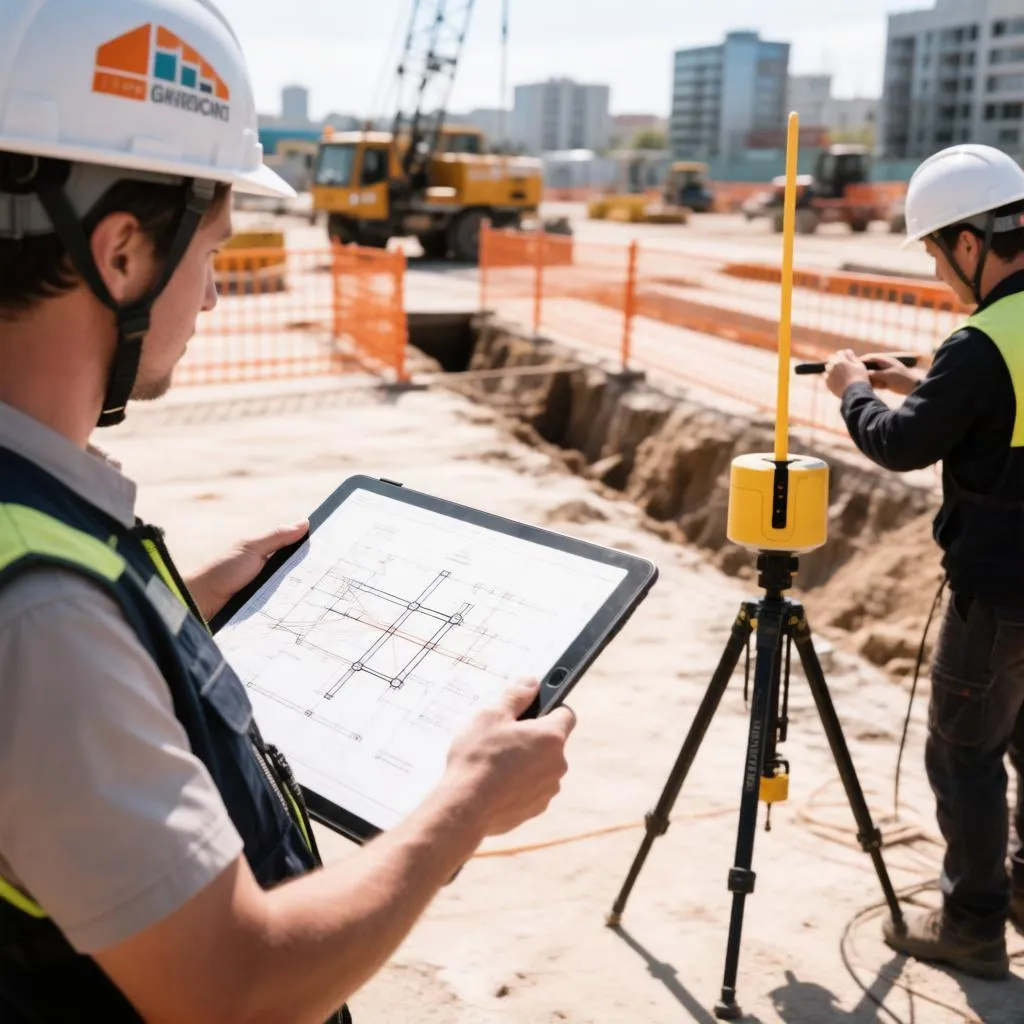
Every excavation in the UK begins with a question that no one can answer by looking at the ground: what lies beneath it? Water mains, gas pipes, electricity cables, telecoms ducts and abandoned assets criss-cross beneath streets, gardens and construction sites, and the consequences of striking one range from a delayed programme to a fatality. Utility mapping and ground penetrating …

LOLER regulations explained: lifting equipment inspection requirements

Every crane, hoist, lift and lifting sling in UK workplaces operates under one set of regulations: the Lifting Operations and Lifting Equipment Regulations, universally abbreviated to LOLER. Introduced in 1998, the regulations apply wherever lifting equipment is used at work, and their central demand is simple to state and demanding to satisfy — lifting equipment must be strong, stable and …

PTS card UK: how to get personal track safety certification

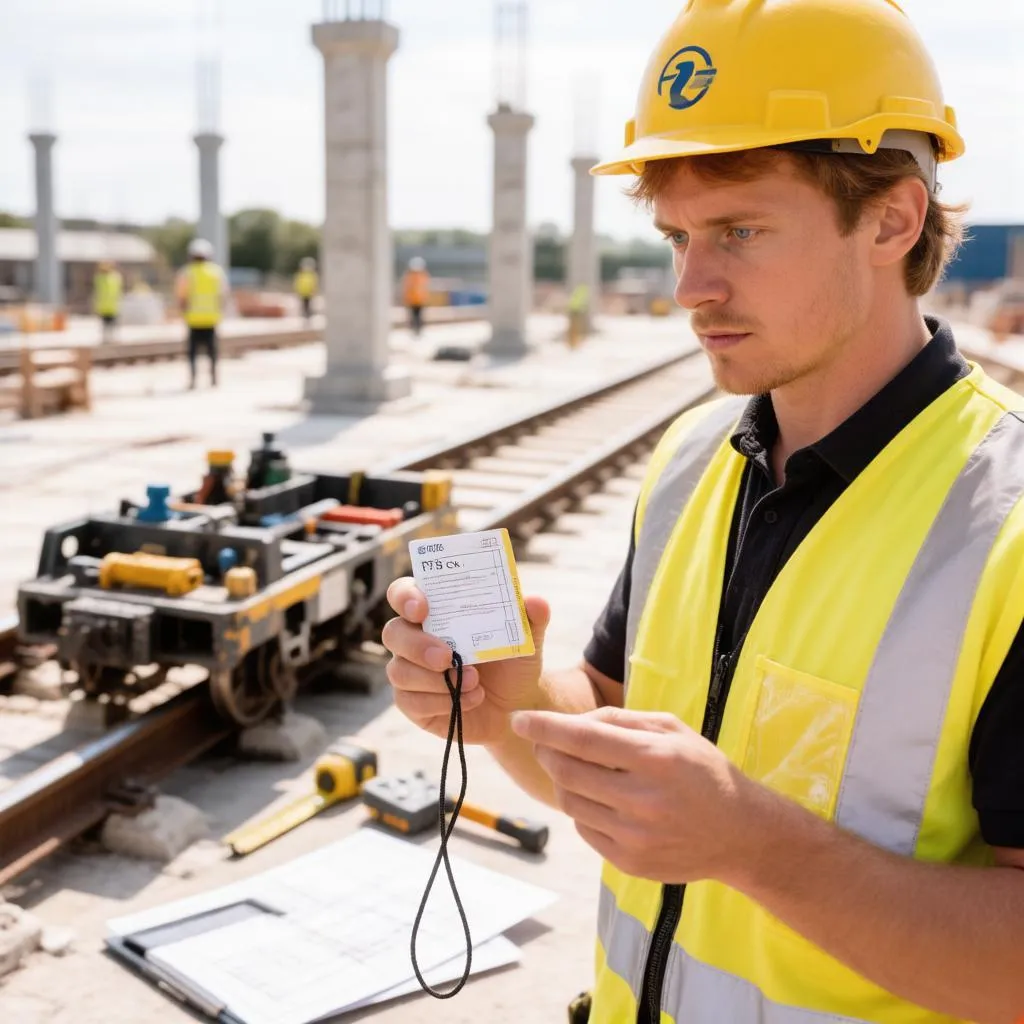
Every rail worker in the UK who steps onto or near the railway infrastructure carries the same small plastic card, and it is the single most important document in their working life. The Personal Track Safety certification — the PTS card — is the legal and practical gatekeeper between a person and the operational railway. NoPTS, no access: train operating …

Inspection and test plan (ITP): how to prepare one for construction

Quality on a construction project is not verified at the end; it is verified continuously, at the moments when it can still be corrected. The document that makes those verification moments deliberate rather than accidental is the inspection and test plan, or ITP. Sitting alongside the method statement and the risk assessment, the ITP lists every inspection, test and verification …

BS EN 1090 explained: requirements for structural steel fabrication

Structural steel arrives on site carrying more than its own weight — it carries proof that it was made to a controlled standard. In the UK and across Europe, that proof comes through BS EN 1090, the standard that governs the fabrication and installation of steel and aluminium structures. Since CE marking became mandatory for structural components, no fabricated steelwork …

Construction method statement: what it is and how to prepare one

Before a single excavator starts digging or a scaffold pole goes up, someone has to explain exactly how the work will be carried out. That explanation, written down and agreed in advance, is the construction method statement — one of the most requested documents on UK construction sites, and one of the most routinely botched. Done well, it protects workers, …

Eurocode 3 explained: structural steel design requirements

Every steel-framed building, bridge and industrial structure in the UK and across Europe is designed against a common framework of rules. That framework is Eurocode 3, the European standard for the design of steel structures, now the backbone of structural steel practice from a domestic extension beam to a long-span stadium roof. The code replaced a patchwork of national standards …

Structural steel connections: bolted vs welded joints explained

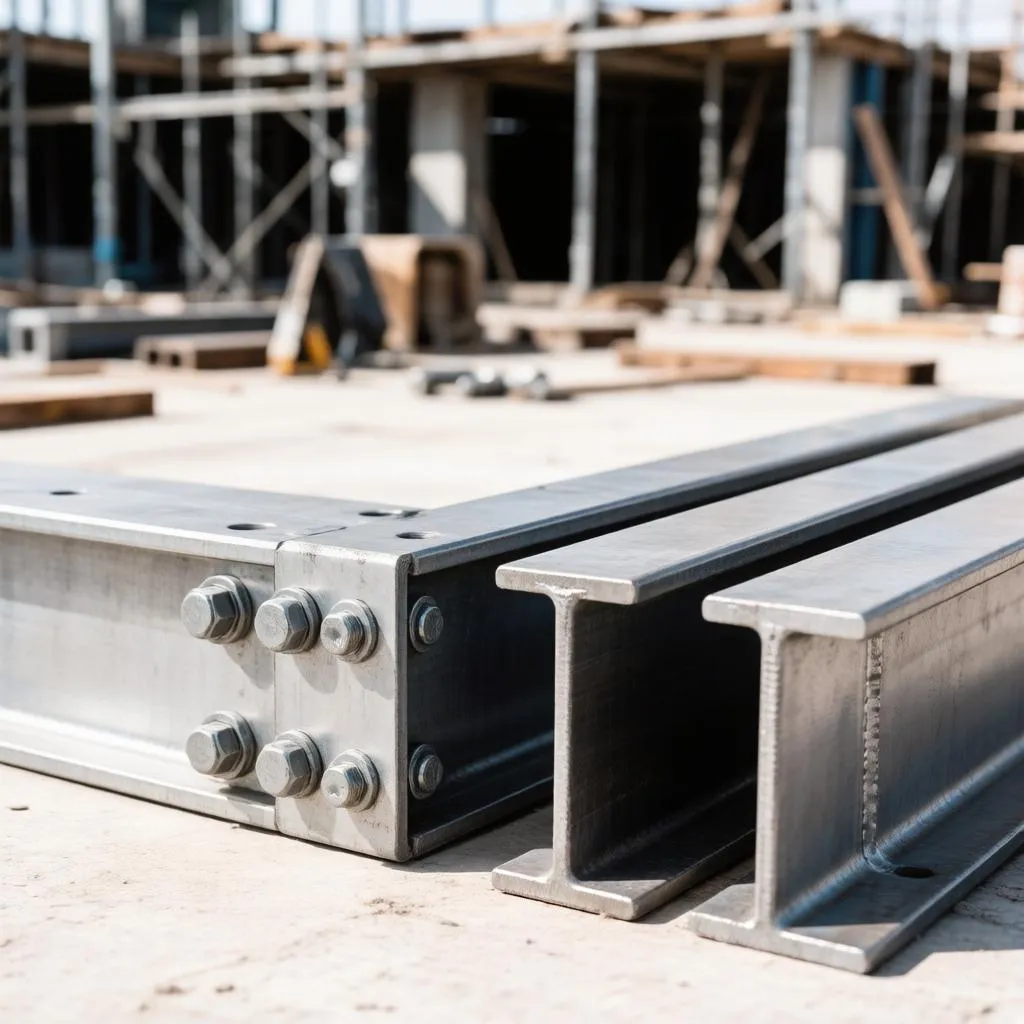
Every steel structure, from a garden workshop frame to a high-rise tower, is only as strong as the joints that hold its members together. The choice between bolting and welding is one of the earliest and most consequential decisions in structural steelwork, shaping cost, programme, inspection requirements and even how the building behaves under load. Both connection types are fully …

Galvanised vs painted steel: which coating offers better protection?

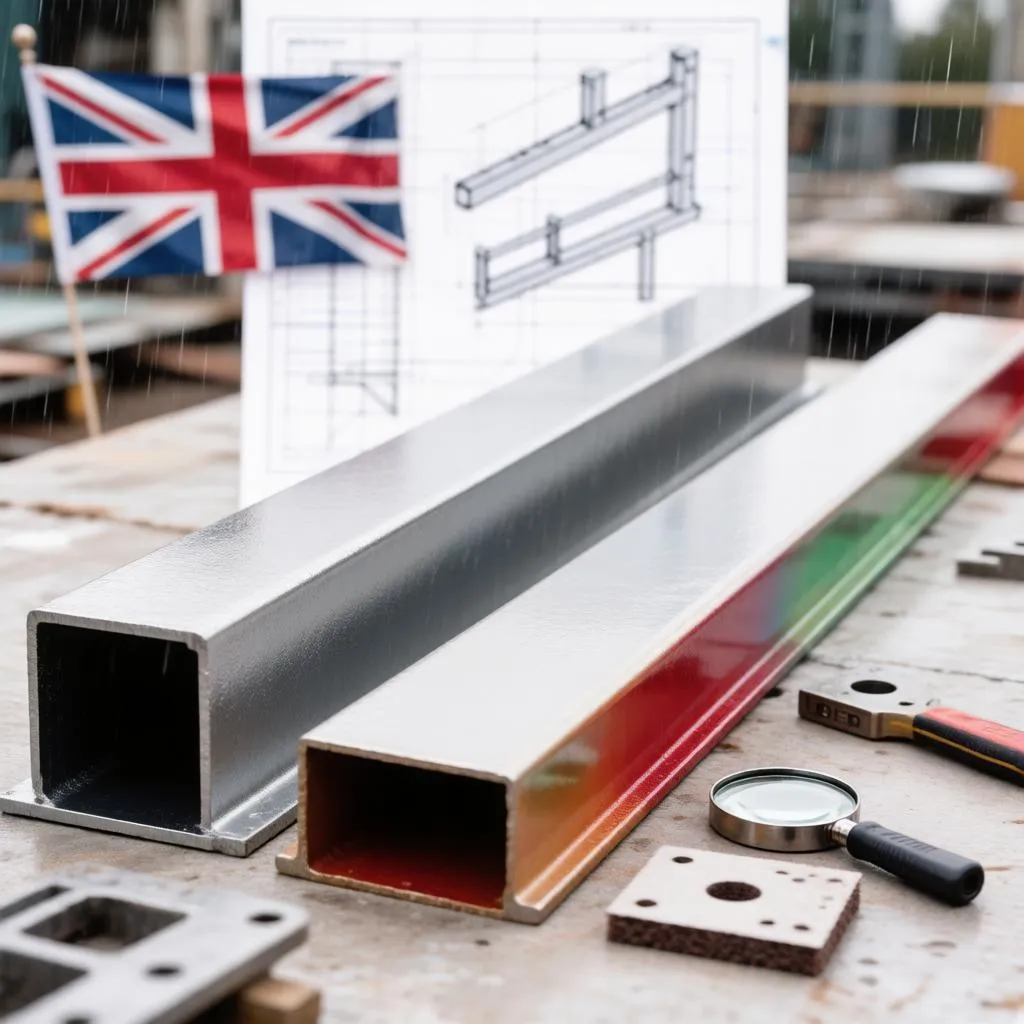
Steel is strong, but it has one stubborn enemy: rust. Left unprotected, steel corrodes steadily wherever moisture and oxygen meet its surface, and once corrosion takes hold, it never stops by itself. The two dominant protection strategies — hot-dip galvanising and protective paint systems — approach the problem from opposite directions. One sacrifices a zinc layer to shield the steel …