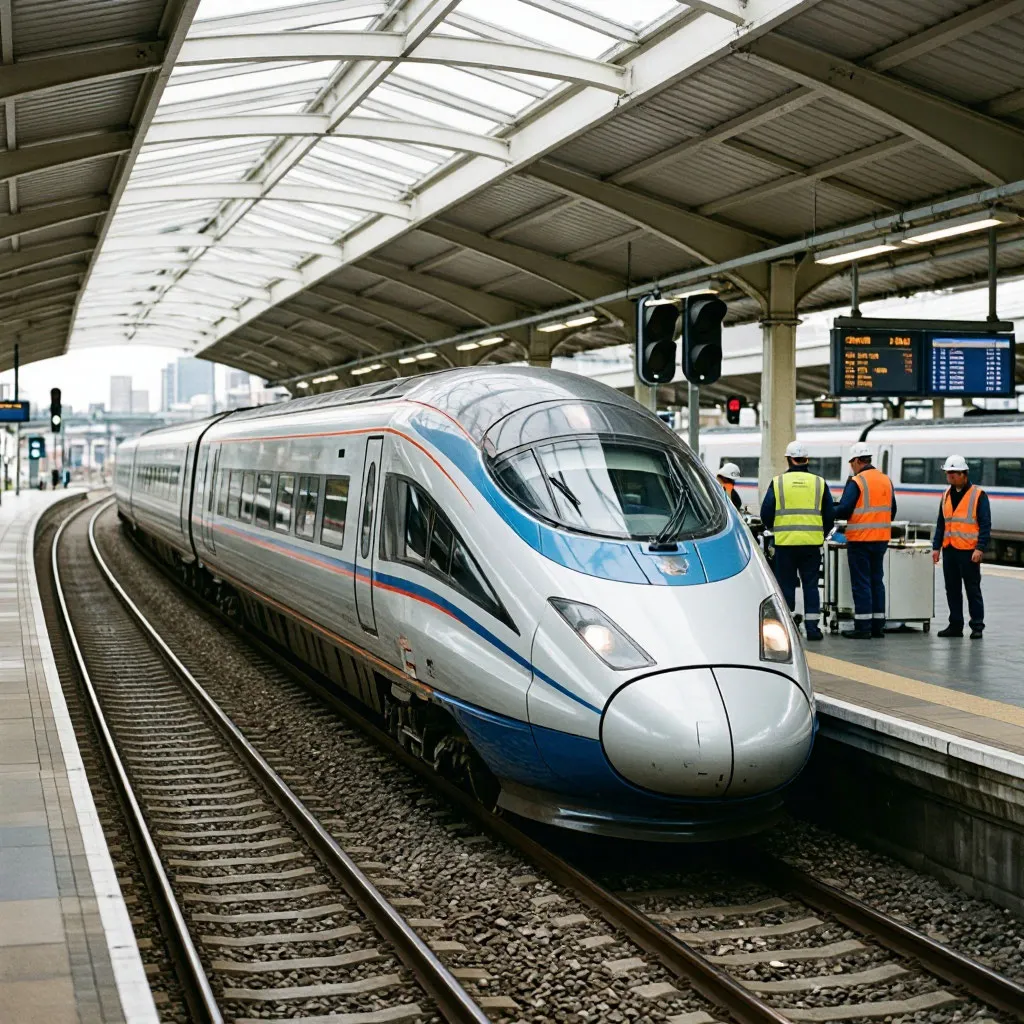
Modernising UK rail infrastructure: key safety and technology updates

The United Kingdom rail network is undergoing its most significant technological and structural shift in a generation. With the activation of Control Period 7 (CP7), the focus of capital investment has pivoted decisively from massive, new-build megaprojects toward the modernization, electrification, and digitization of the existing footprint. This strategic redirection is driven by the urgent need to improve passenger reliability, …
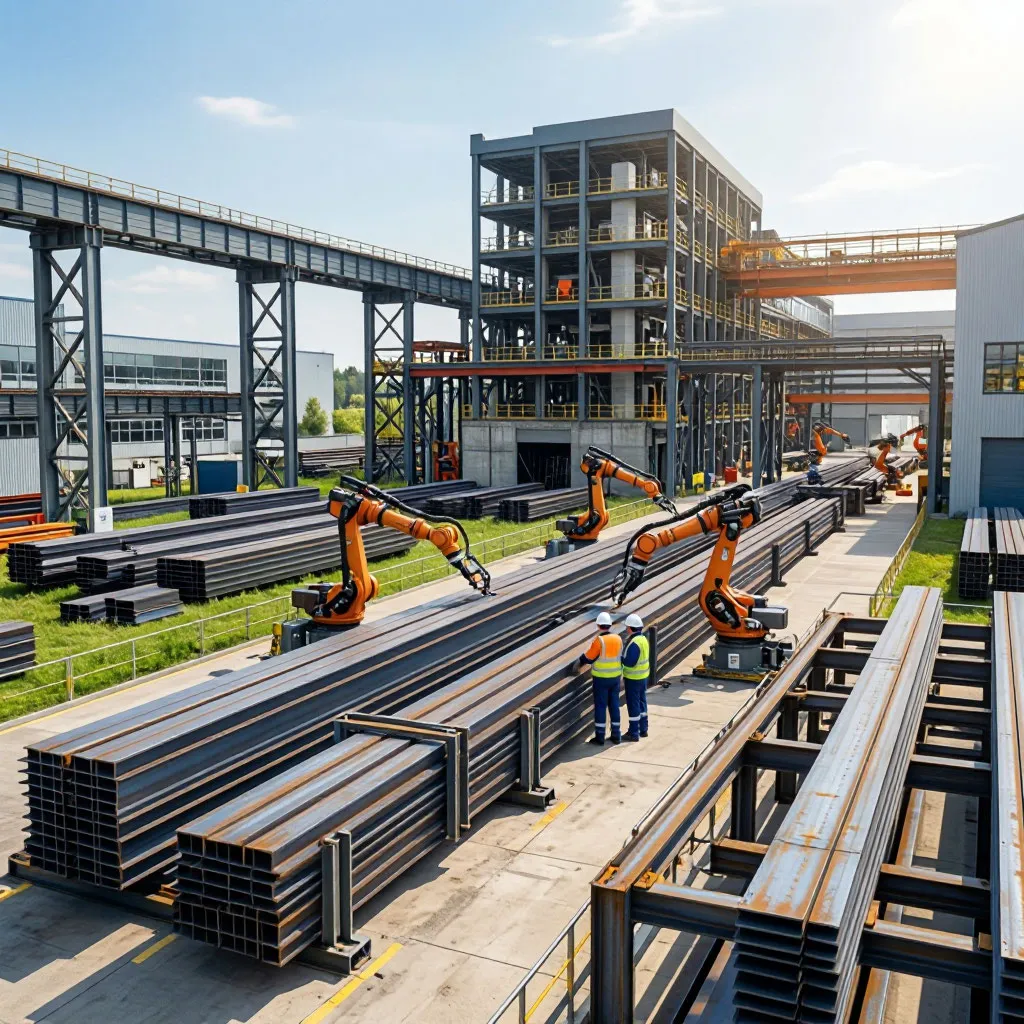

Green steel and net-zero construction: how the UK fabrication sector is adapting for 2026

The target for the United Kingdom to achieve net-zero carbon emissions by 2050 is no longer a distant legislative goal; rather, it is a pressing operational reality that is rapidly reshaping the built environment. As we move through 2026, the construction supply chain is facing unprecedented pressure from both public and private sector clients to measure, report, and drastically reduce …

Safety critical standards in heavy industry: implementing effective safety management systems

The operating environment of a heavy industrial site is a complex matrix of stored energy, high-tonnage machinery, and volatile materials. Whether on an offshore oil platform, within a deep mining shaft, or across a massive infrastructure development, the physical risks faced by personnel on a daily basis are immense. Historically, safety in these sectors was managed reactively, with new rules …

How ISO 9001:2015 accreditation drives cost reduction in turnkey construction projects

Turnkey construction projects, by their very nature, carry immense operational and financial risks. When a single entity is responsible for everything from initial architectural concepts to the final handover of a completed facility, there is no room for misaligned expectations or fragmented execution. Historically, turnkey builds have been notorious for budget creep and schedule slippage, often driven by poor coordination …

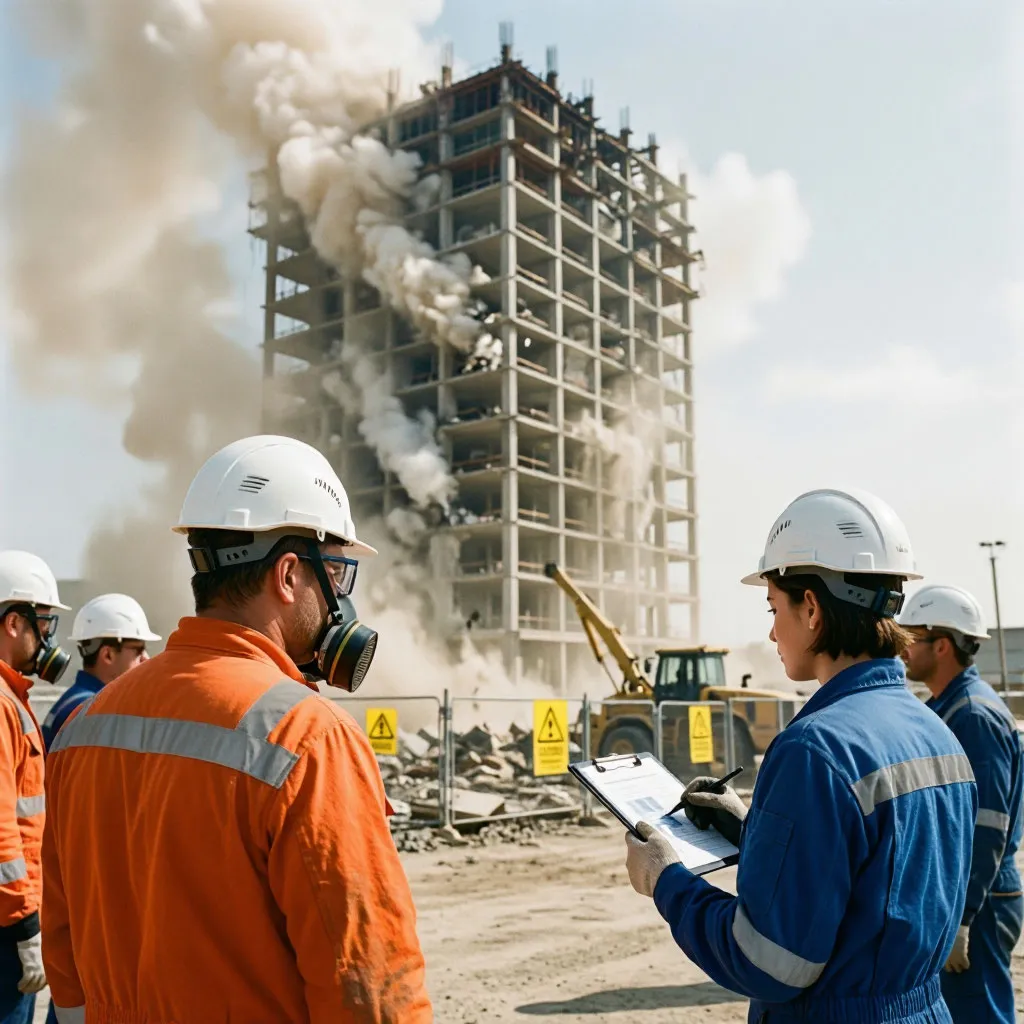
Safe demolition of high-rise industrial structures: risk management and environmental compliance

The skylines of many British industrial towns and cities are defined by decommissioned coal-fired power stations, chemical plants, and historic manufacturing complexes. As the nation transitions toward a low-carbon economy, these aging, high-hazard structures must be safely removed to make way for modern housing, commercial hubs, and green spaces. However, bringing down structures that stand over 100 meters tall—such as …

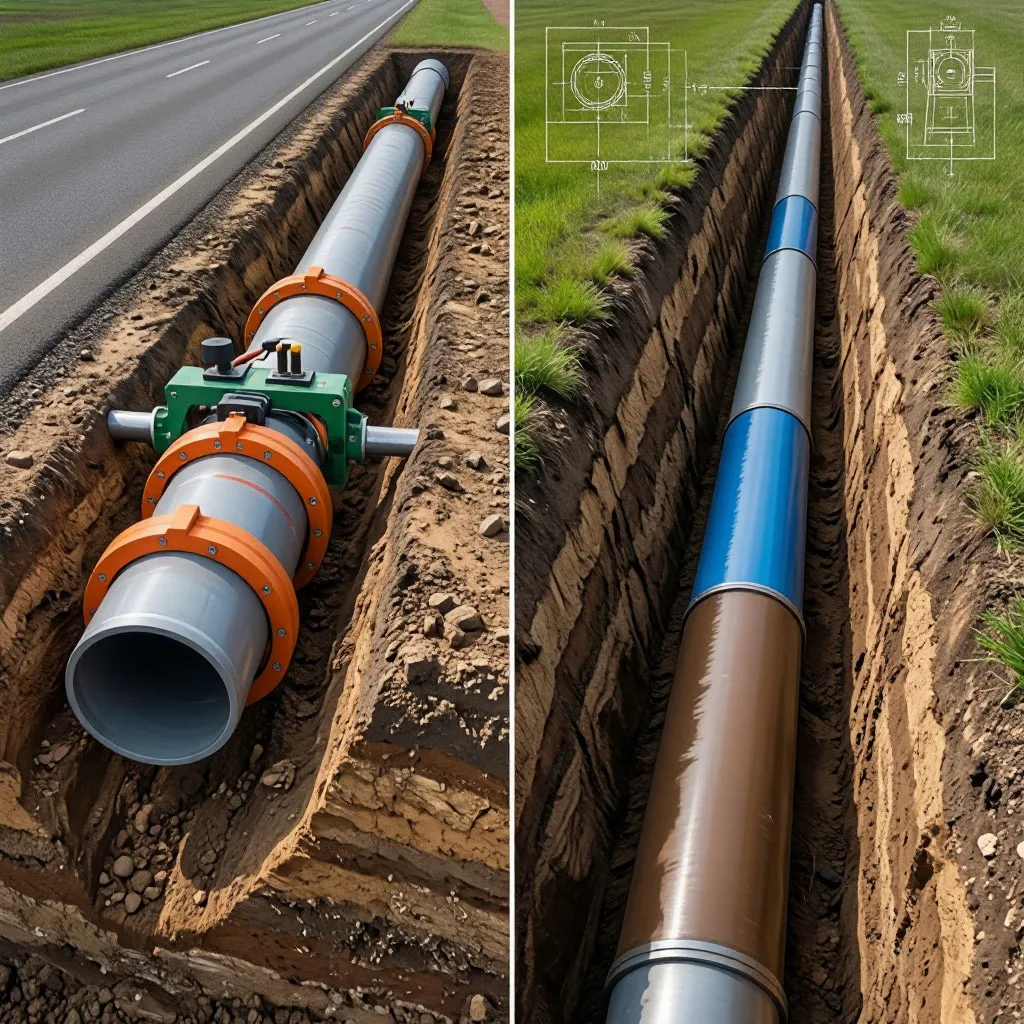
Trenchless technology vs. deep open-cut sewers: choosing the right utility installation method

Beneath the bustling streets of British cities lies a sprawling, invisible labyrinth of Victorian brick sewers, modern concrete water mains, and high-pressure utility conduits. Over time, ground movement, tree root intrusion, and chemical corrosion take a heavy toll on these buried assets. When these essential networks require upgrading or repair, civil engineers face a fundamental, high-stakes decision: do they excavate …

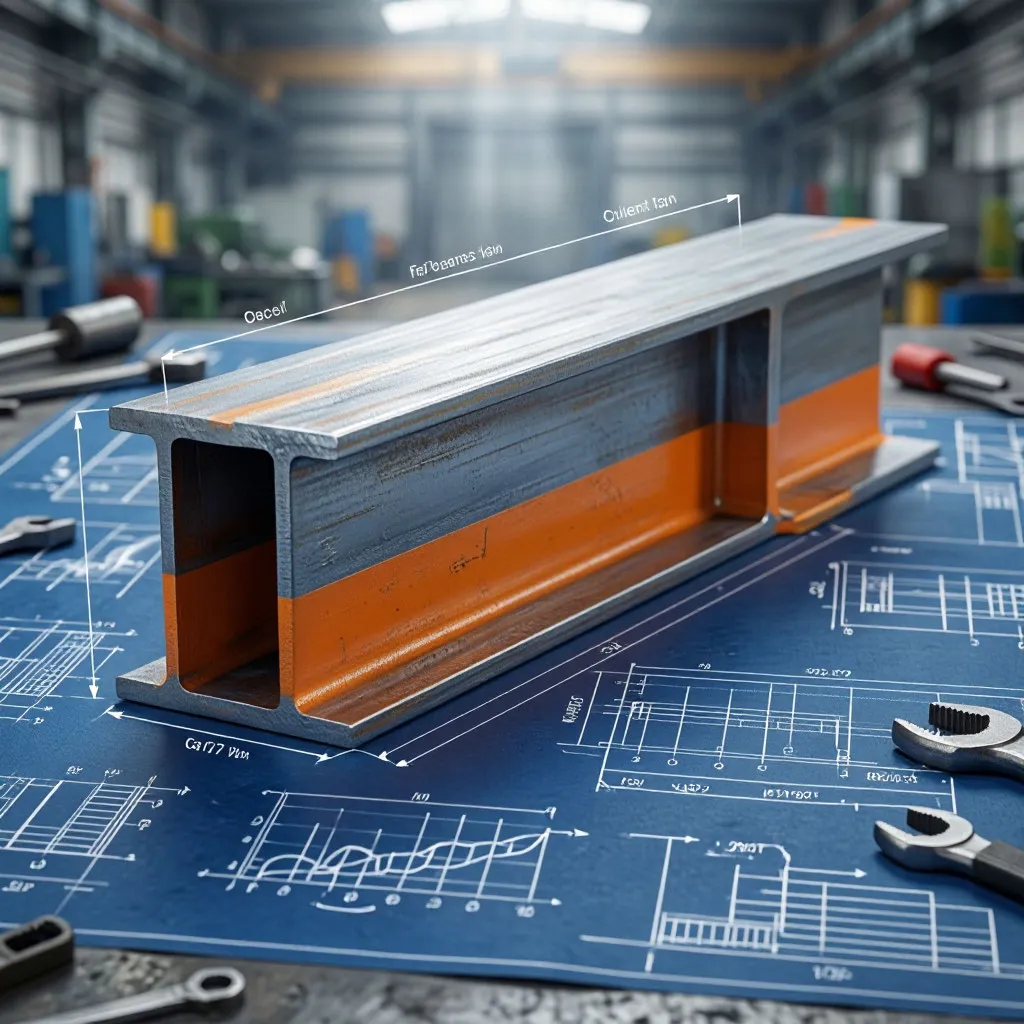
Specifying structural steelwork: quality control from design to protective coating

The durability, safety, and architectural integrity of modern commercial buildings depend heavily on the quality of their underlying steel skeletons. In the United Kingdom, where weather conditions can be highly volatile and architectural designs are increasingly complex, specifying structural steelwork is a task that leaves no room for approximation. From the initial layout in the drafting office to the final …

CAD to fabrication: accelerating project lifecycles with real-time drawing office integration

In the high-stakes arena of commercial construction and industrial engineering, the journey of a structural steel beam from a conceptual sketch to a load-bearing column is fraught with potential missteps. Historically, the drawing office and the fabrication workshop operated as two separate kingdoms, divided by a chasm of paper blueprints, manual measurements, and fragmented communication. When a draftsman made a …

Maximising efficiency during shutdown periods: fast-track engineering projects under £250,000

Industrial manufacturing, chemical processing, and power generation facilities operate on razor-thin margins where profitability is directly tied to continuous asset availability. In these high-intensity environments, planned shutdown periods represent both a necessity and a significant logistical challenge. While multi-million-pound overhauls receive extensive planning and corporate oversight, smaller capital and maintenance projects are frequently overlooked. However, managing budgets under £250,000 during …

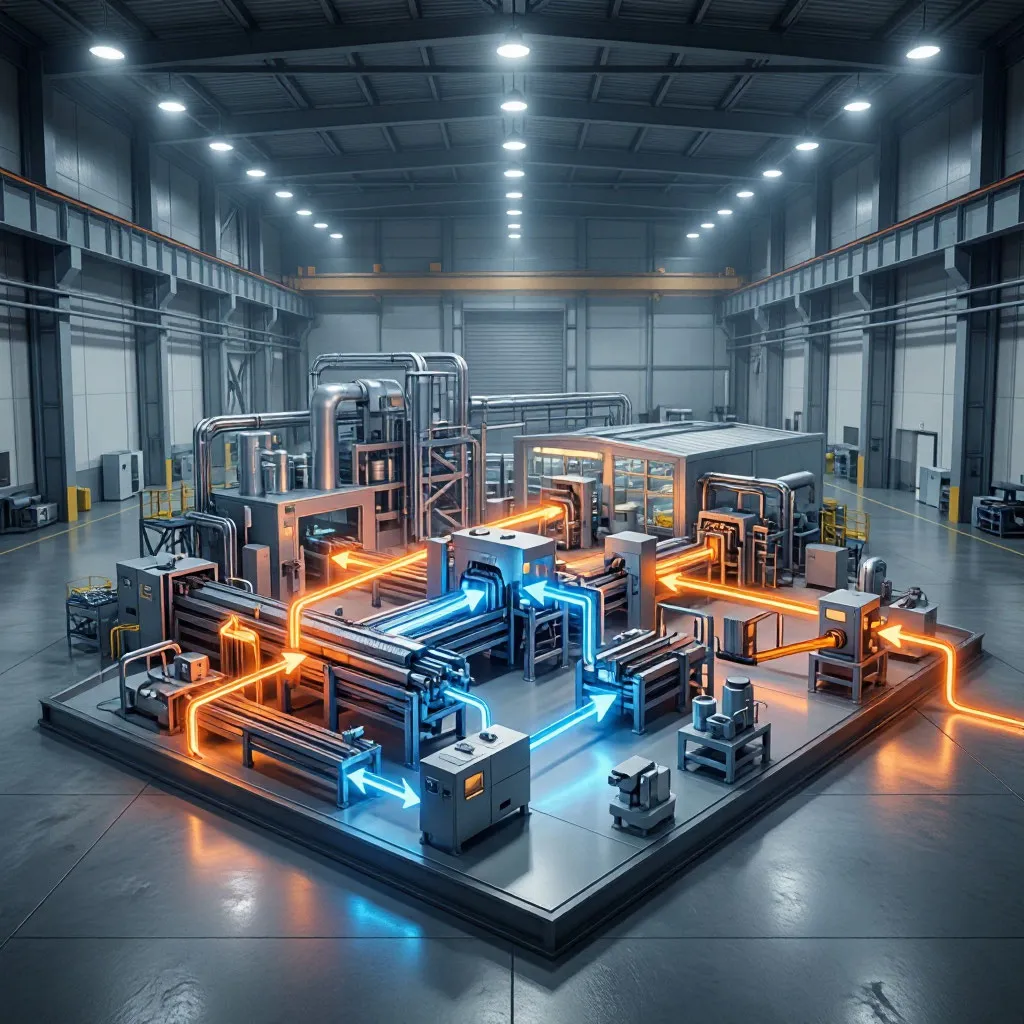
Minimising downtime: best practices for industrial plant refurbishment and commissioning

The steady hum of heavy machinery is the lifeblood of any modern industrial facility. In sectors ranging from mining and quarrying to chemical processing and power generation, massive equipment like crushers, screeners, and pneumatic filters form the backbone of daily revenue. When these vital components begin to show signs of mechanical fatigue, the prospect of taking them offline for maintenance …