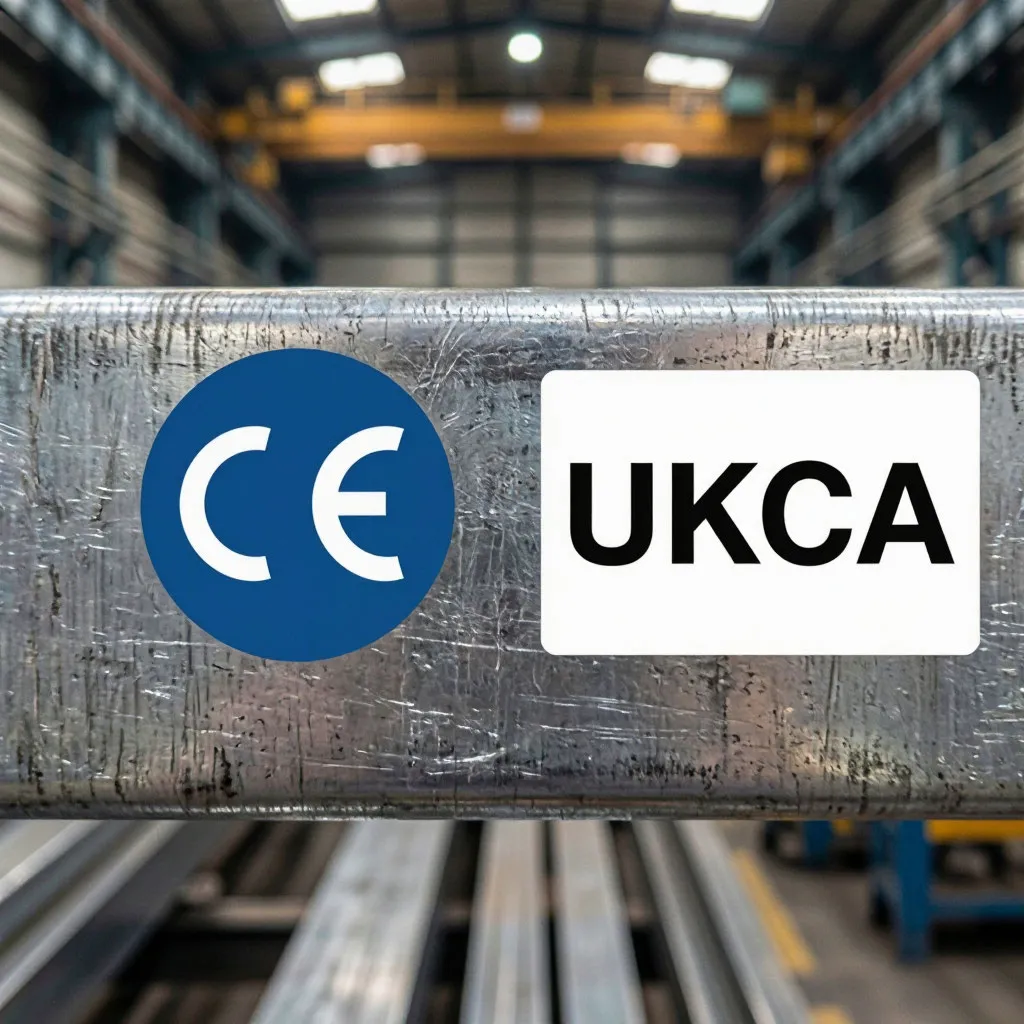
CE marking under UKCA: what changed for structural steelwork after Brexit

If you manufacture structural steelwork in the UK, the word “Brexit” did not end on 31 January 2020. It mutated into a rolling administrative challenge that has consumed compliance budgets, delayed projects, and forced fabricators to rethink how they certify every beam, column, and bracket that leaves their workshop. The structural steel sector — long accustomed to a single European …

Casino Julius payment guide: deposits, withdrawals, and crypto options

Managing funds securely and efficiently is a top priority for anyone engaging in virtual gaming. A seamless banking experience allows players to focus entirely on their gameplay strategy rather than worrying about the safety of their hard-earned money. Modern gaming platforms must offer a robust financial infrastructure that accommodates traditional banking preferences alongside cutting-edge digital assets. Understanding these payment processes …

The business case for PPM contracts: extending asset lifespans in industrial facilities

The pressure to maintain continuous output in heavy manufacturing and industrial processing plants is immense. In this high-stakes environment, the temptation to defer routine maintenance to save on short-term operational costs can be incredibly strong. However, treating physical assets like roofing, structural frameworks, and complex HVAC systems as fit-and-forget components is a costly mistake. Ignoring small warning signs eventually leads …

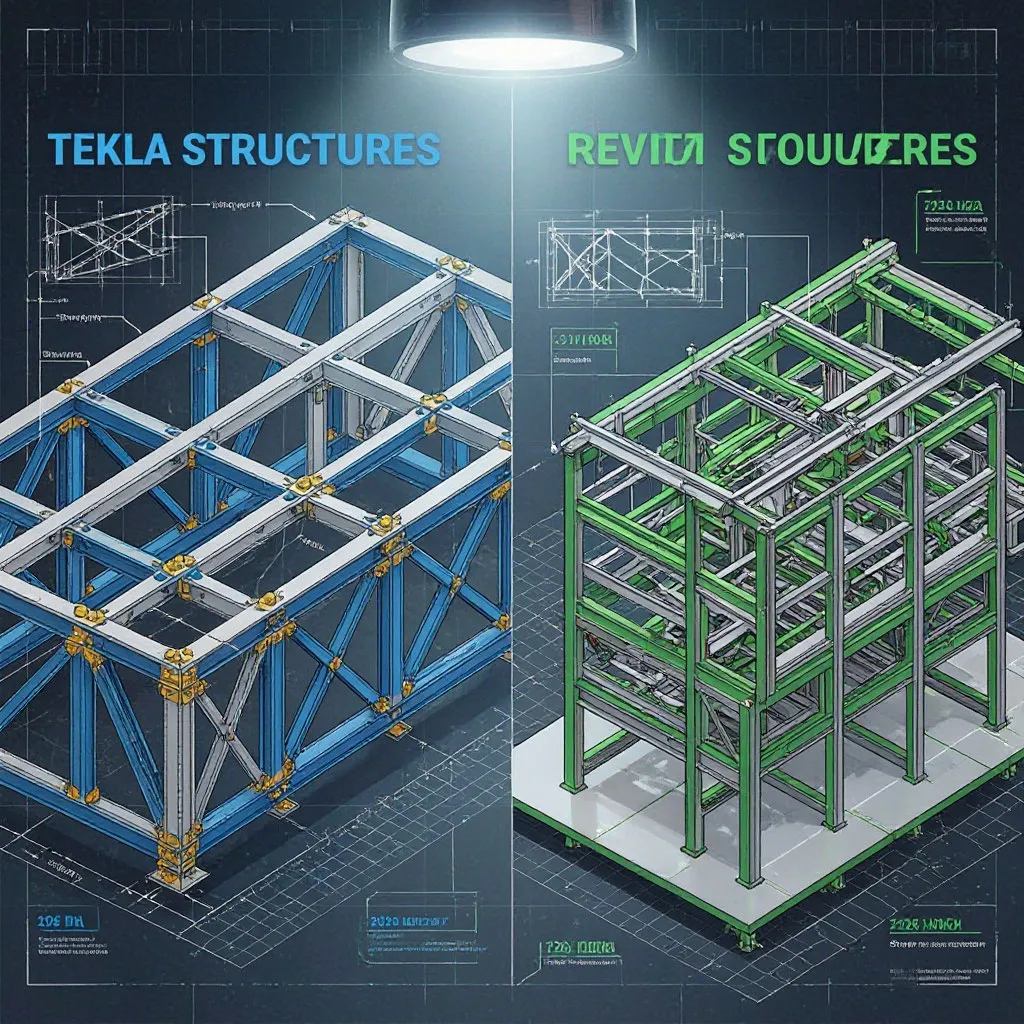
Implementing BIM level 2 in structural steel design: eliminating clashes and rework

The days of paper-based construction coordination are long gone. Historically, the architectural design, structural calculations, and mechanical layouts of a building were developed in isolation, with coordination meetings relying on overlapping translucent drawings to spot physical conflicts. This fragmented approach often led to critical design errors being discovered only when heavy structural components arrived on the active job site. Today, …

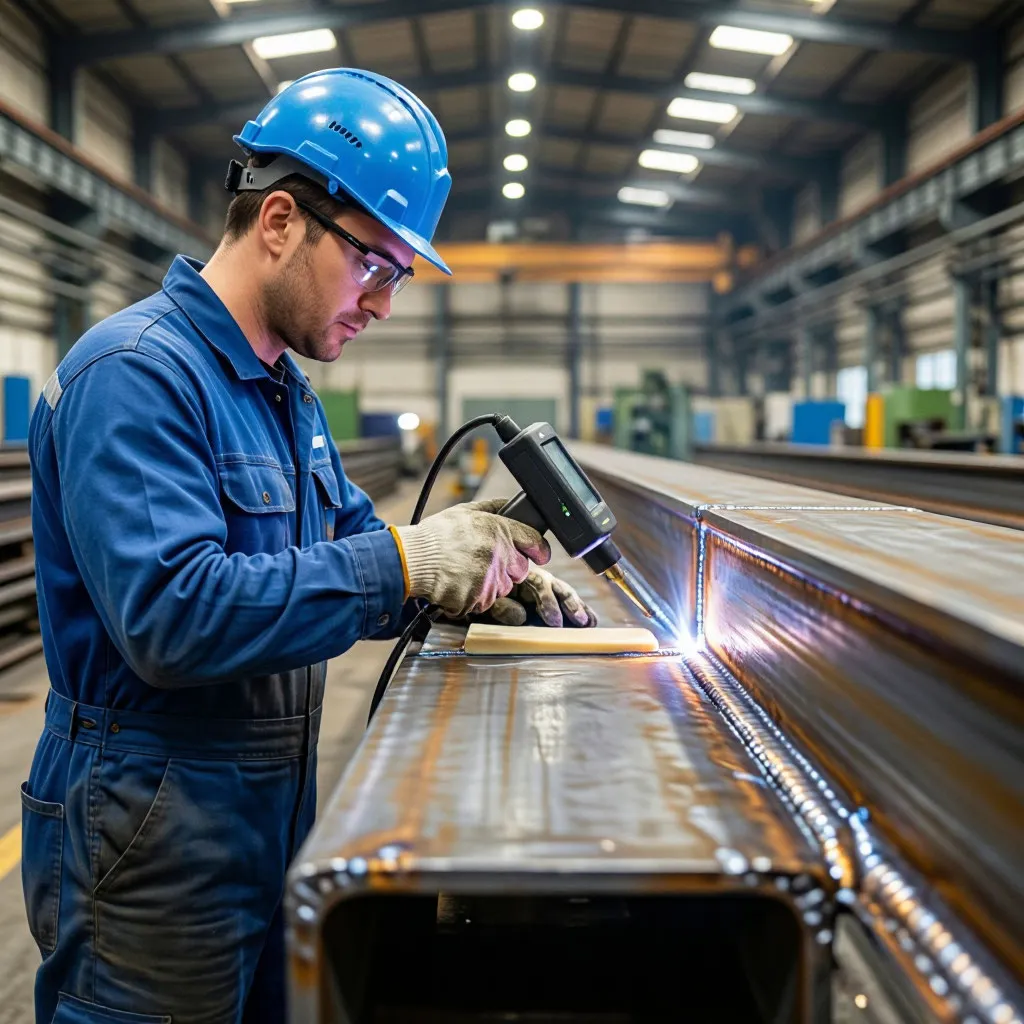
Non-destructive testing (NDT) in structural steelwork: ensuring weld integrity and quality

The massive steel skeletons that define our modern cities—spanning wide rivers as highway bridges or reaching high into the clouds as office towers—rely entirely on the integrity of their connections. Every beam, column, and truss must transfer tremendous structural forces safely down to the foundation. When thousands of tonnes of static and dynamic loads press down on these joints, the …

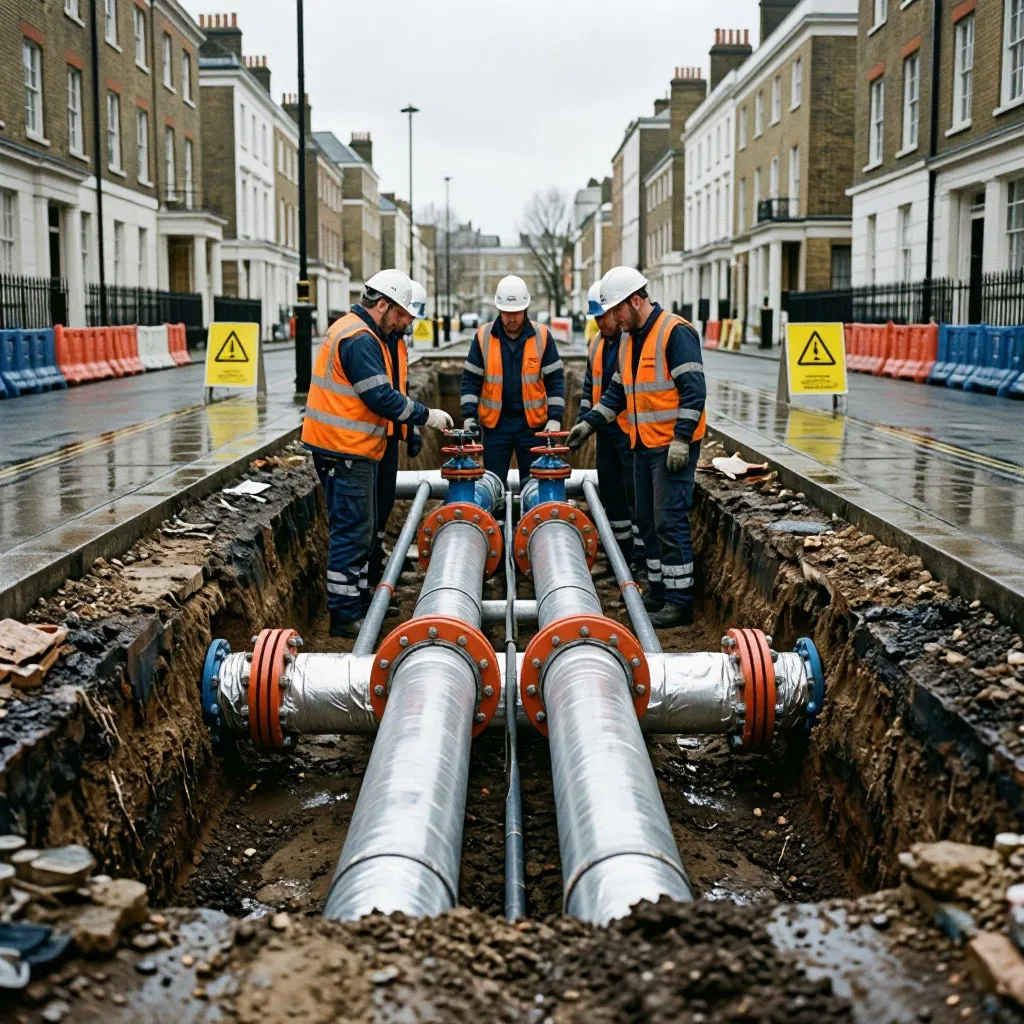
Engineering district heating networks: challenges in UK utility infrastructure upgrades

The decarbonisation of British homes has reached a critical bottleneck. While switching to individual air-source heat pumps works well for suburban properties with ample garden space, dense urban centers require a shared, centralized approach to thermal energy. Moving hot water from central low-carbon sources directly into thousands of inner-city flats requires a massive transformation of the streets beneath our feet. …

Brownfield site remediation: engineering solutions for complex UK ground conditions

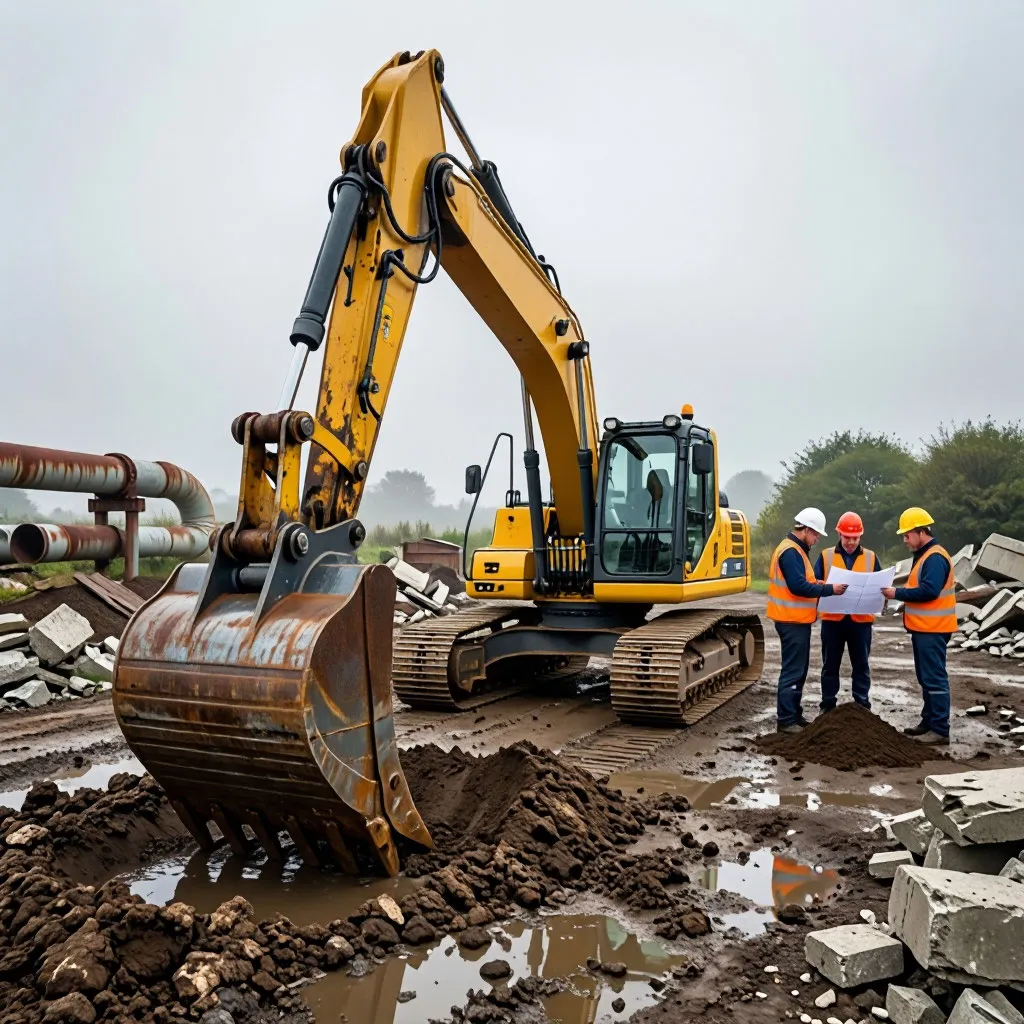
The scars of the United Kingdom’s industrial heritage are etched deep into its landscape, leaving behind thousands of hectares of disused factories, chemical plants, and railway depots. As the demand for housing and modern commercial spaces intensifies, building on untouched greenfield land has become highly restricted. This shift has forced the construction sector to focus on reclaiming abandoned plots, turning …

How ISO 14001:2015 certification enhances sustainability in industrial engineering projects

Modern heavy industry is no longer judged solely by the speed or structural integrity of its builds. As global temperatures rise and natural resources deplete, the industrial sector faces unprecedented pressure to prove its green credentials. For engineering firms operating in this highly scrutinized landscape, integrating ecological responsibility into daily operations is no longer a luxury: it is a core …