The business case for PPM contracts: extending asset lifespans in industrial facilities
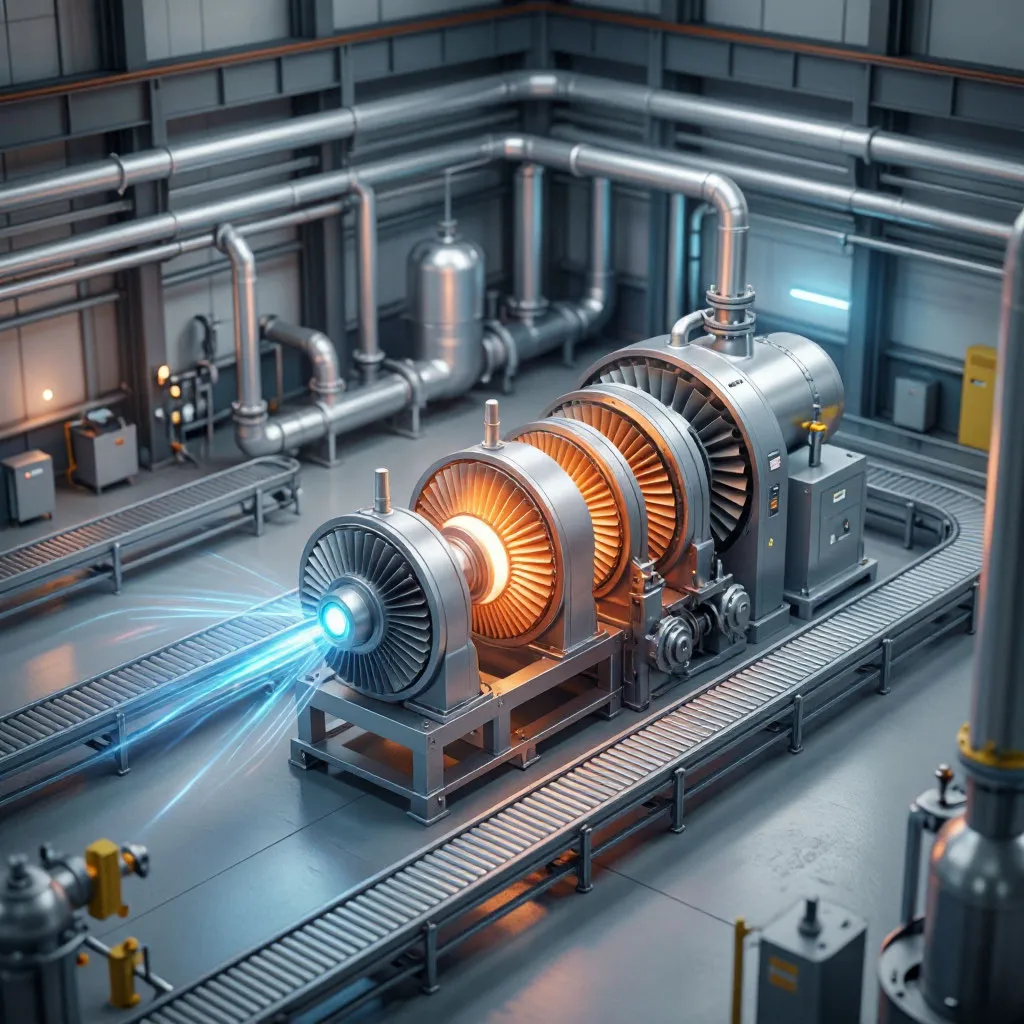
The pressure to maintain continuous output in heavy manufacturing and industrial processing plants is immense. In this high-stakes environment, the temptation to defer routine maintenance to save on short-term operational costs can be incredibly strong. However, treating physical assets like roofing, structural frameworks, and complex HVAC systems as fit-and-forget components is a costly mistake. Ignoring small warning signs eventually leads to catastrophic equipment failures, expensive emergency repairs, and unscheduled production shutdowns that eat into corporate profits. Establishing a structured, long-term service agreement is a proven way to protect your physical plant and ensure business continuity.
The hidden cost of reactive maintenance in heavy industry
In the fast-paced environment of heavy manufacturing, waiting for a critical system to fail before taking action is a high-risk operational strategy. Minor structural issues, unnoticed roof leaks, and micro-faults in power distribution machinery can quietly escalate into massive operational disruptions. Implementing a preventative maintenance contract UK program ensures that these tiny vulnerabilities are caught and repaired before they can trigger a complete production shutdown.
Addressing these issues early prevents small problems from cascading into major system failures. Executing regular, small-scale repairs is significantly cheaper and less disruptive than managing an emergency shutdown. The primary areas where routine industrial facilities minor works prevent larger operational crises include:
- roofing maintenance: sealing minor cracks and clearing drainage systems to prevent water ingress from damaging expensive floor machinery;
- structural inspections: identifying localized concrete spalling or structural steel corrosion before the integrity of the building is compromised;
- HVAC and thermal balancing: cleaning filters and calibrating compressors regularly to avoid sudden system burnouts during peak production cycles;
- electrical distribution audits: using thermal imaging to spot overheating circuit breakers before they cause localized power outages or fires.
By addressing these minor service points systematically, facilities managers can transform their operational approach from chaotic firefighting to structured, predictable upkeep. Regular, minor interventions keep systems operating at peak energy efficiency, reducing monthly utility bills while ensuring a safe working environment for the factory floor staff. This proactive approach forms the core of modern PPM commercial engineering practices.
Financial metrics of preventative asset management
To justify the cost of long-term service agreements to corporate boards, it is necessary to look past the monthly fee and evaluate the total cost of ownership. Comparing the financial consequences of emergency repairs with the predictable costs of scheduled maintenance reveals a clear economic advantage. The following dataset contrasts the typical costs, operational impacts, and life expectancy outcomes of these two competing maintenance philosophies:
| Operational metric | Reactive maintenance model | Planned preventative model |
|---|---|---|
| Upfront annual cost | Minimal baseline spend | Predictable fixed-contract fee |
| Cost per repair event | Premium emergency rates | Standard scheduled rates |
| Operational downtime | High: unscheduled and disruptive | Minimal: planned during off-peak hours |
| Secondary damage risk | High: failure cascades to other systems | Very low: issues isolated early |
| Average asset lifespan | Reductions of up to 40% | Extended by 25% to 50% |
As shown by the operational data, the reactive model leads to unpredictable financial spikes and premature equipment replacement, which drains capital reserves. In contrast, a structured service contract stabilizes annual maintenance budgets, turning volatile emergency expenses into predictable operational outlays. Over a ten-year cycle, this stability allows for far more effective asset lifecycle management and preserves the overall value of the physical estate.
Implementing a successful preventative maintenance program
Transitioning from a reactive setup to a scheduled service model requires a clear plan and a thorough audit of all on-site machinery and building components. A successful partnership with an engineering service provider relies on clear communication, realistic performance metrics, and a deep understanding of the facility’s unique operational cycles. The standard implementation path for establishing a reliable maintenance schedule typically follows these essential operational phases:
- Conduct a comprehensive asset audit: catalog every critical engineering system, structural element, and roof section across the facility;
- Establish baseline performance metrics: record current energy usage, operating temperatures, and wear levels for all primary equipment;
- Design a custom service schedule: align routine maintenance visits with planned factory shutdowns or low-activity shifts;
- Deploy continuous monitoring systems: install vibration sensors and thermal cameras on key machinery to catch early signs of wear;
- Compile detailed service history logs: maintain auditable records of all minor works, parts replacements, and structural inspections.
Following this structured onboarding process ensures that the service contract is tailored to the exact needs of your facility, preventing both over-maintenance and costly service gaps. Regular reviews of these service logs allow engineering teams to identify recurring issues, optimize spare parts inventory, and make data-driven decisions about when to repair versus replace aging machinery.
The long-term return on engineering investment
Integrating planned maintenance practices into your daily operations is a vital step toward long-term business resilience. By establishing a robust preventative maintenance contract UK partnership, industrial enterprises can protect their capital investments, lower their energy consumption, and eliminate the chaos of emergency breakdowns. In an era where operational efficiency and cost control are paramount, proactive asset management is not just a technical preference: it is the very foundation of sustainable commercial engineering success.