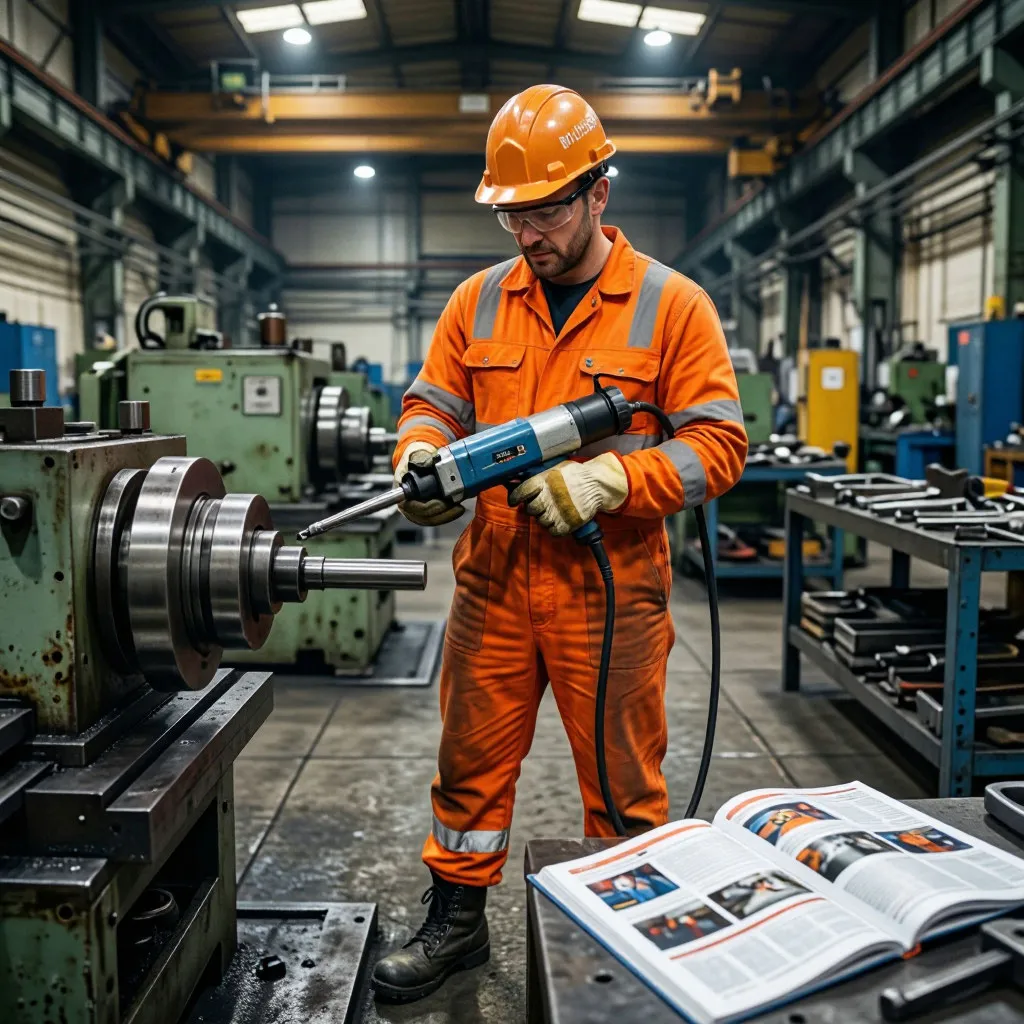
Managing HAVS Risk in heavy engineering: best practices for Hand-Arm vibration compliance

Heavy engineering facilities are environments of intense physical production, where the roar of heavy machinery is accompanied by the constant hum of handheld power tools. While acute injuries from heavy machinery are easy to spot and prevent, some of the most debilitating occupational hazards develop slowly over several years. Among these, the neurological and vascular damage caused by repetitive tool …
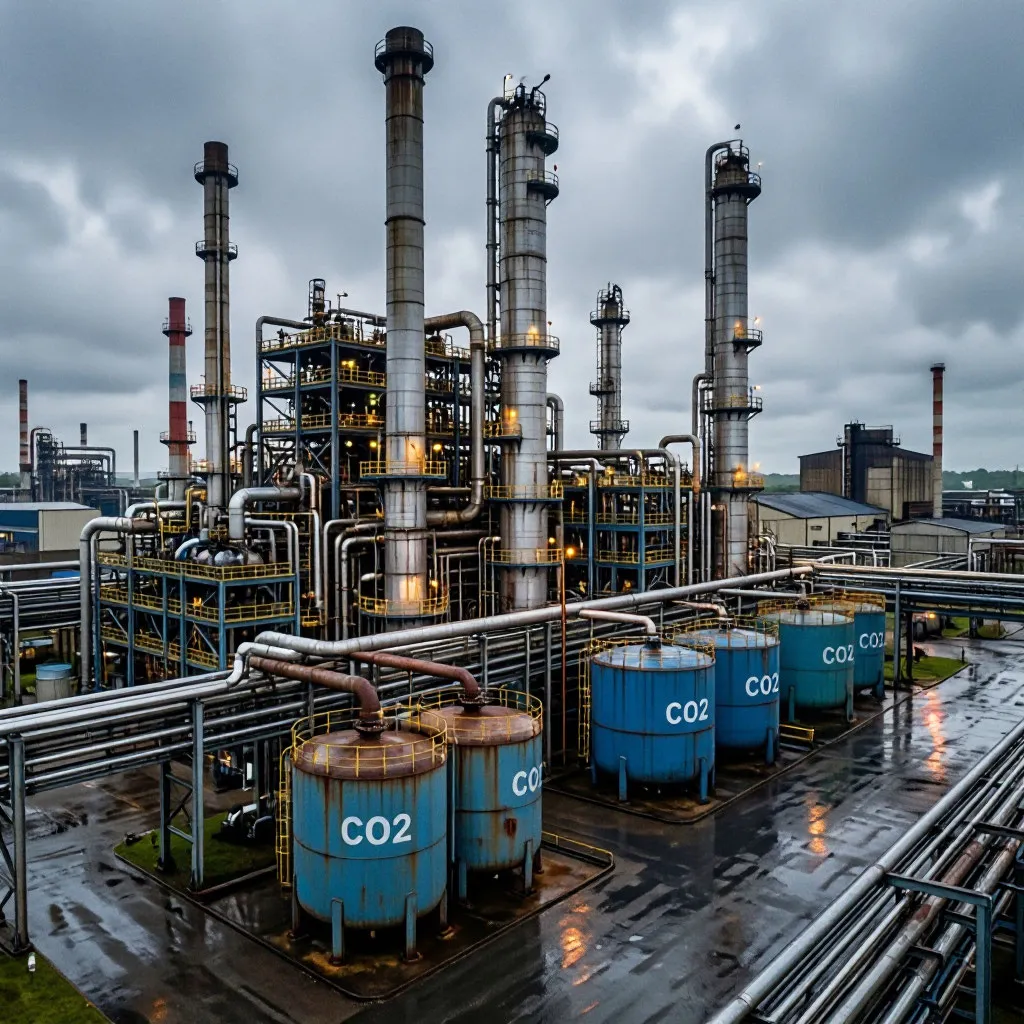

Decarbonising UK heavy industry: the future of Carbon capture and storage (CCS) infrastructure

The historic chimneys of Britain’s industrial heartlands, once symbols of the Industrial Revolution, are undergoing a quiet but profound transformation. As the nation races towards its net-zero obligations, heavy industries like cement, steel, and chemical manufacturing are finding new ways to operate without releasing tons of greenhouse gases into the atmosphere. This massive shift relies heavily on capturing emissions at …

Betting on the Go: How DashKing88 PWA Saves Data and Prevents Disconnects

By mid-2026, the global mobile gaming landscape has shifted focus. While 5G is the headline, the real innovation lies in how platforms handle “degraded” networks. For the traveling bettor, there is nothing more frustrating than a live roulette wheel freezing just as the ball drops because of a spotty 3G connection. DashKing88 has addressed this “pain point” by pivoting away …

Aphrodite Casino Withdrawal Guide: Crypto vs. Bank Transfer

Winning at the slots or a high-stakes live dealer table is an exhilarating experience, but the true test of any gaming platform is how efficiently it puts those winnings into your hands. In 2026, Aphrodite Casino has set a new benchmark for financial transparency, moving away from the sluggish processing times of the past. Whether you are a fan of …

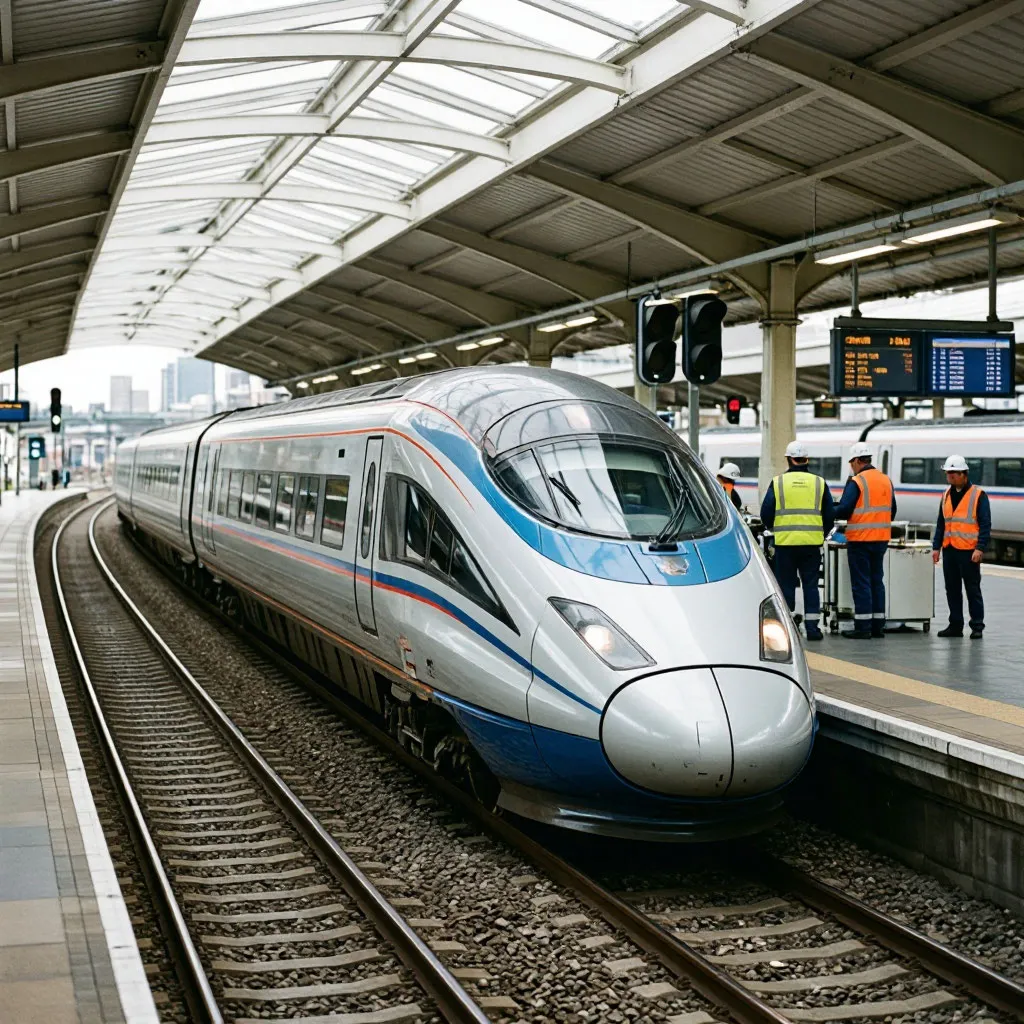
Modernising UK rail infrastructure: key safety and technology updates

The United Kingdom rail network is undergoing its most significant technological and structural shift in a generation. With the activation of Control Period 7 (CP7), the focus of capital investment has pivoted decisively from massive, new-build megaprojects toward the modernization, electrification, and digitization of the existing footprint. This strategic redirection is driven by the urgent need to improve passenger reliability, …

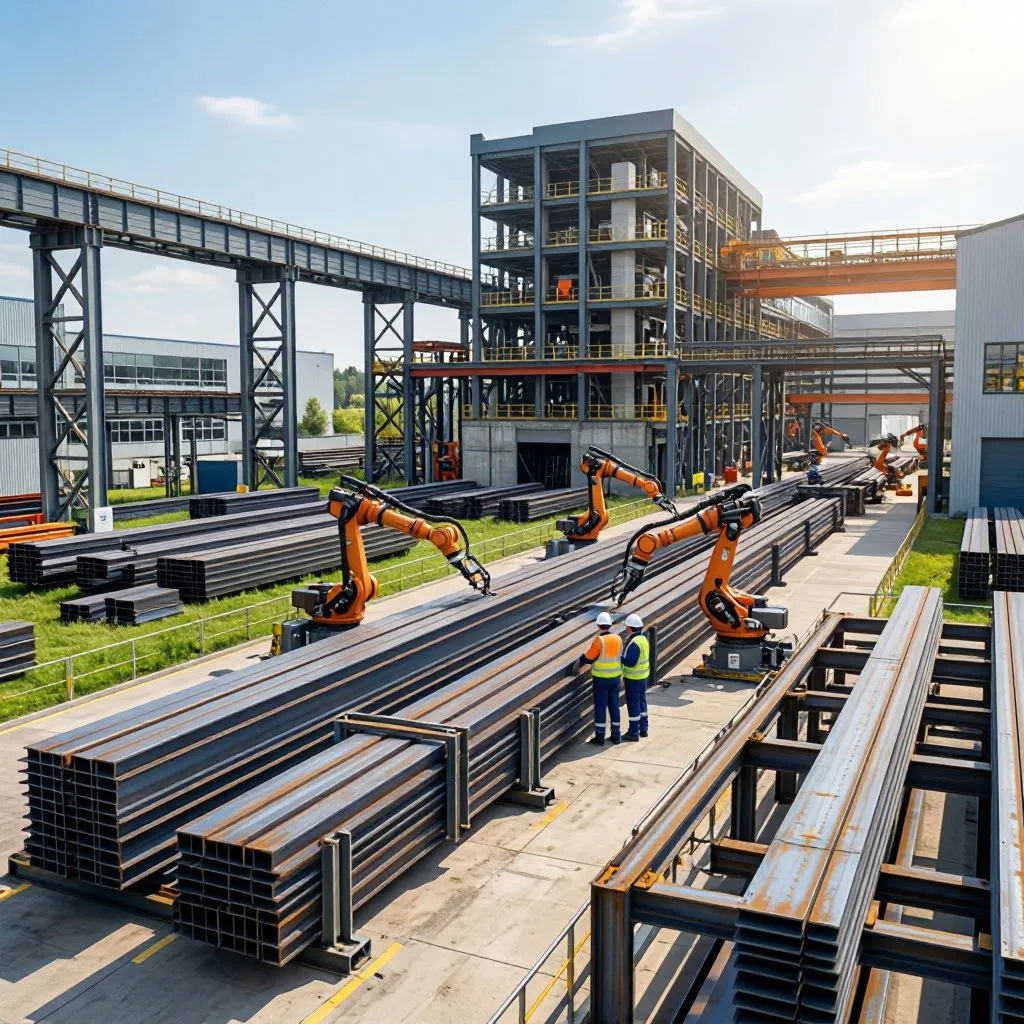
Green steel and net-zero construction: how the UK fabrication sector is adapting for 2026

The target for the United Kingdom to achieve net-zero carbon emissions by 2050 is no longer a distant legislative goal; rather, it is a pressing operational reality that is rapidly reshaping the built environment. As we move through 2026, the construction supply chain is facing unprecedented pressure from both public and private sector clients to measure, report, and drastically reduce …

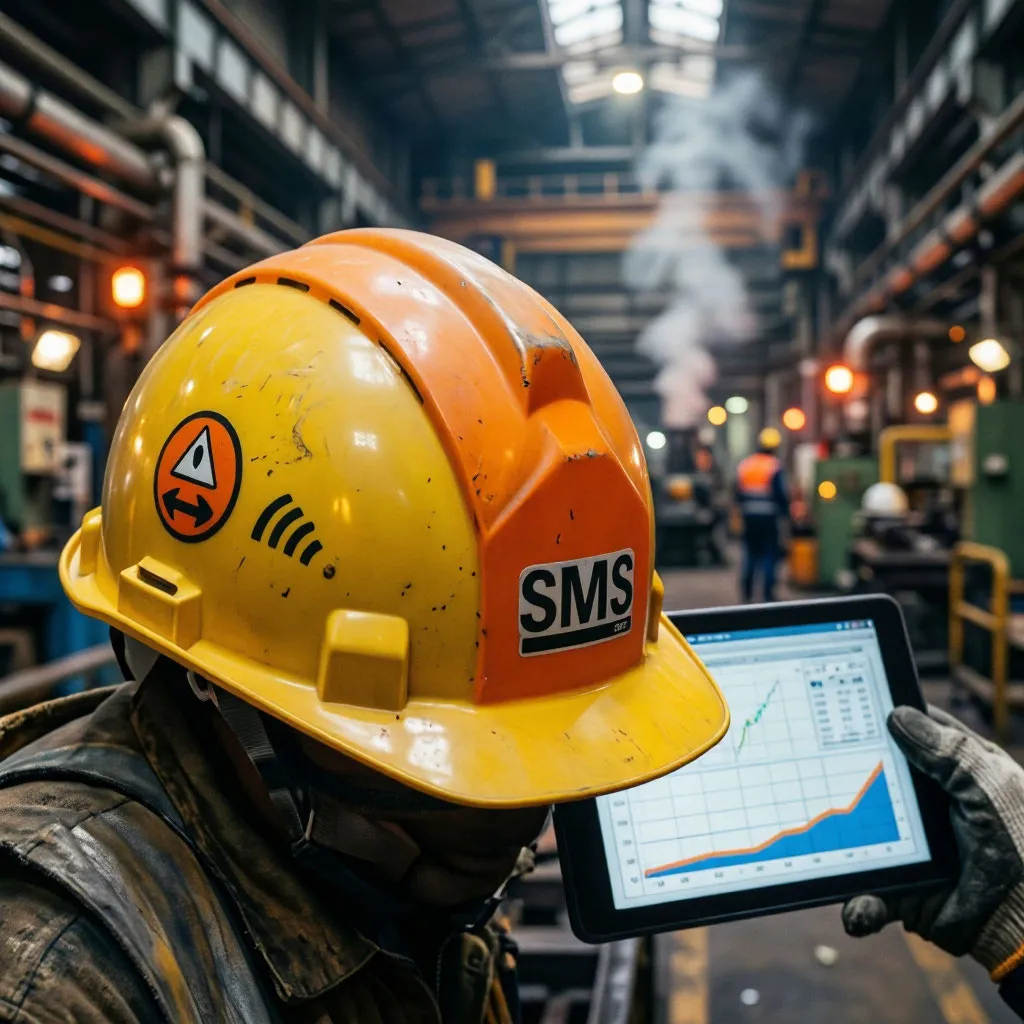
Safety critical standards in heavy industry: implementing effective safety management systems

The operating environment of a heavy industrial site is a complex matrix of stored energy, high-tonnage machinery, and volatile materials. Whether on an offshore oil platform, within a deep mining shaft, or across a massive infrastructure development, the physical risks faced by personnel on a daily basis are immense. Historically, safety in these sectors was managed reactively, with new rules …

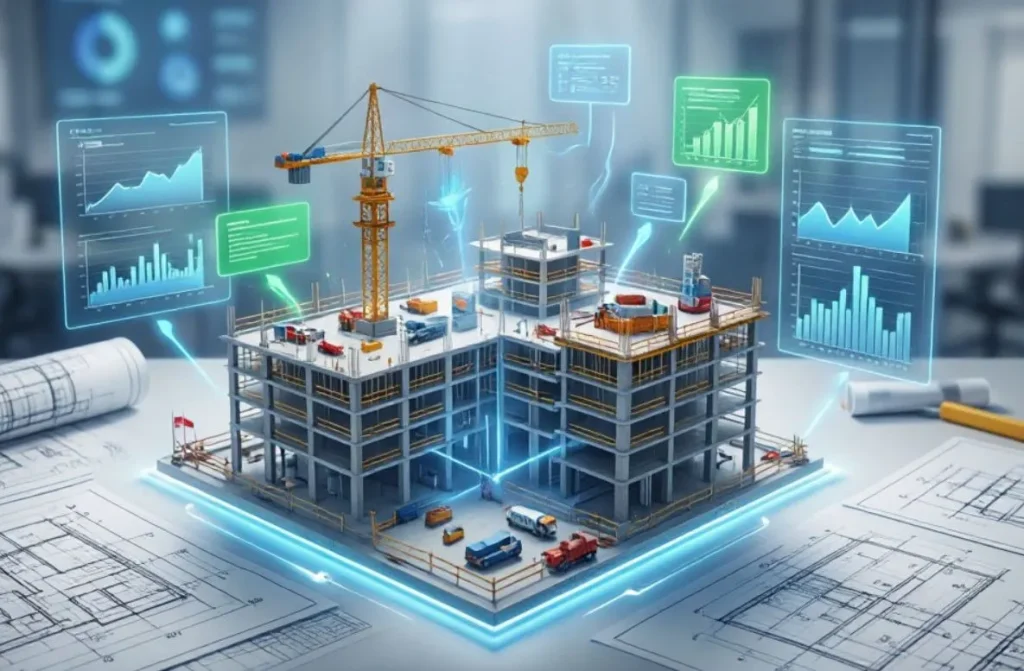
How ISO 9001:2015 accreditation drives cost reduction in turnkey construction projects

Turnkey construction projects, by their very nature, carry immense operational and financial risks. When a single entity is responsible for everything from initial architectural concepts to the final handover of a completed facility, there is no room for misaligned expectations or fragmented execution. Historically, turnkey builds have been notorious for budget creep and schedule slippage, often driven by poor coordination …

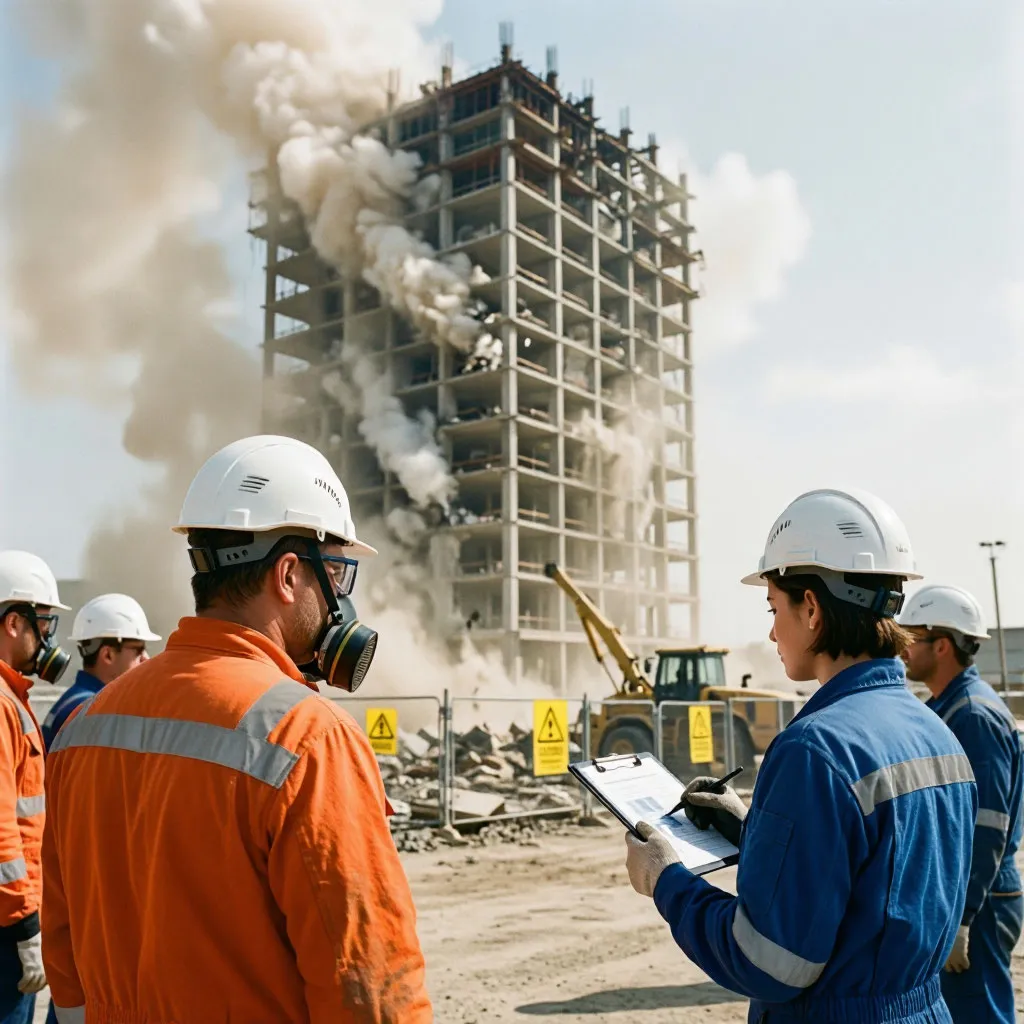
Safe demolition of high-rise industrial structures: risk management and environmental compliance

The skylines of many British industrial towns and cities are defined by decommissioned coal-fired power stations, chemical plants, and historic manufacturing complexes. As the nation transitions toward a low-carbon economy, these aging, high-hazard structures must be safely removed to make way for modern housing, commercial hubs, and green spaces. However, bringing down structures that stand over 100 meters tall—such as …

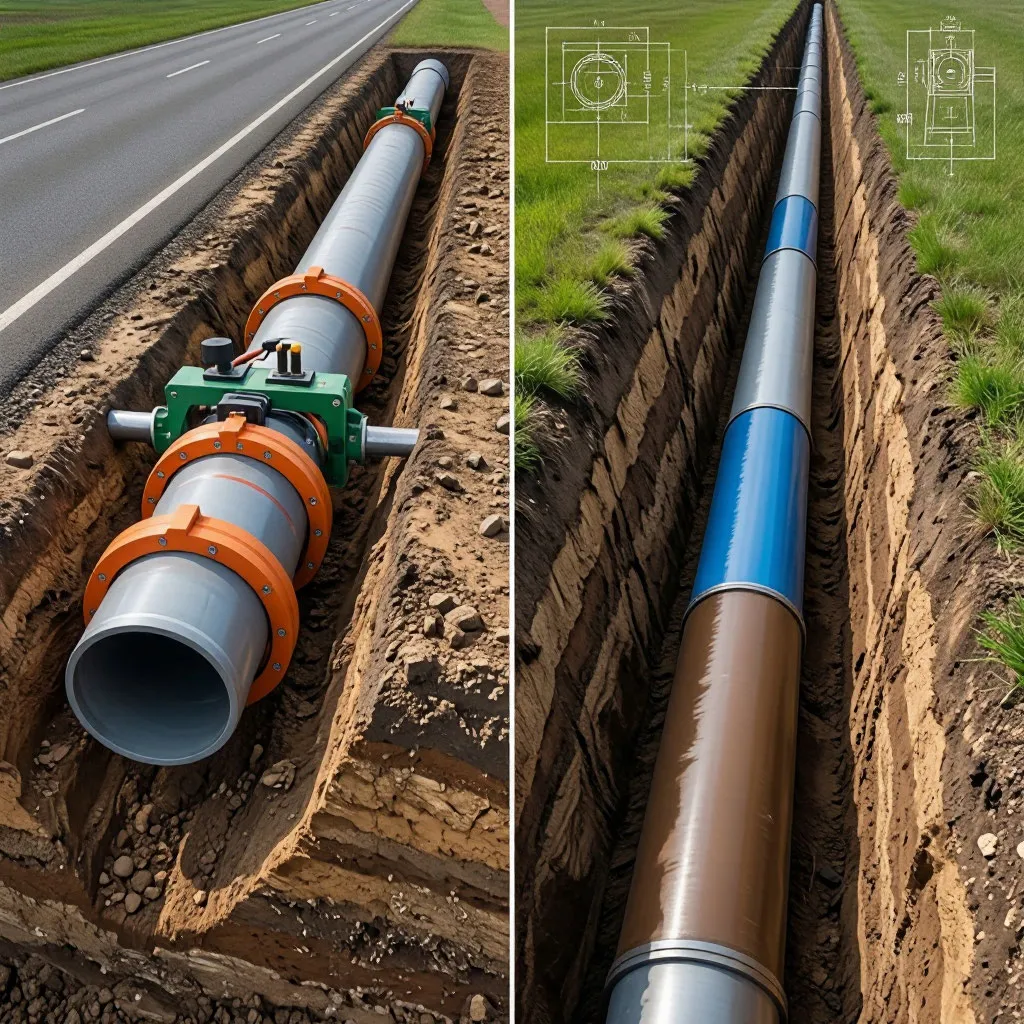
Trenchless technology vs. deep open-cut sewers: choosing the right utility installation method

Beneath the bustling streets of British cities lies a sprawling, invisible labyrinth of Victorian brick sewers, modern concrete water mains, and high-pressure utility conduits. Over time, ground movement, tree root intrusion, and chemical corrosion take a heavy toll on these buried assets. When these essential networks require upgrading or repair, civil engineers face a fundamental, high-stakes decision: do they excavate …