Specifying structural steelwork: quality control from design to protective coating
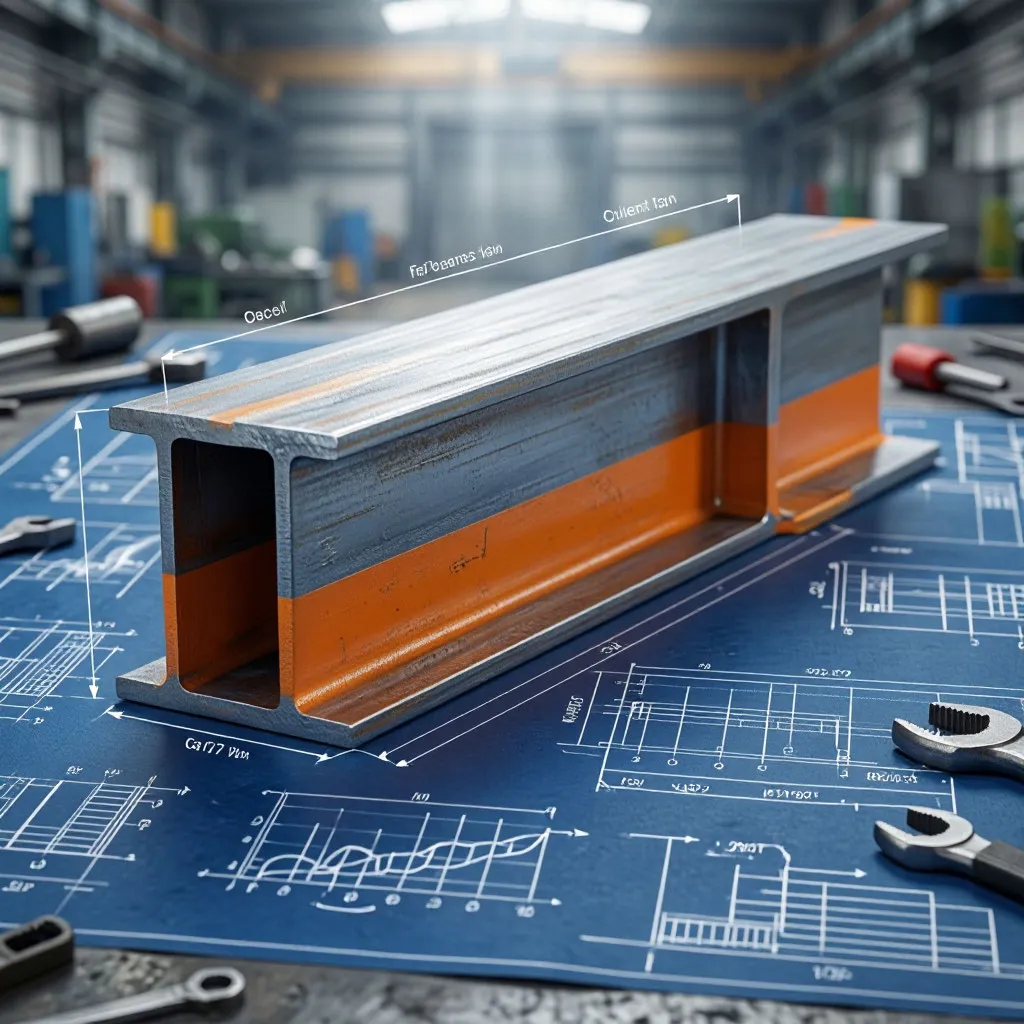
The durability, safety, and architectural integrity of modern commercial buildings depend heavily on the quality of their underlying steel skeletons. In the United Kingdom, where weather conditions can be highly volatile and architectural designs are increasingly complex, specifying structural steelwork is a task that leaves no room for approximation. From the initial layout in the drafting office to the final application of a protective barrier, every single stage of the manufacturing process must adhere to strict quality control protocols. By understanding these technical steps, project managers can ensure their developments are delivered to the highest standards, avoiding costly field modifications and guaranteeing long-term structural resilience.
The foundation of structural steel fabrication UK standards
Operating within the British construction sector requires strict compliance with a robust regulatory framework designed to eliminate structural failures. The execution of steel structures is governed by BS EN 1090, a harmonized standard that mandates CE and UKCA marking for all structural steel components. Under this standard, fabricators must implement a certified Factory Production Control (FPC) system, which ensures that every piece of steel leaving the facility is fully traceable back to its original mill certificate.
This level of regulation is vital for maintaining public safety. It classifies structures into distinct Execution Classes (EXC1 to EXC4) based on their complexity, the consequences of a potential failure, and the dynamic loading they will experience. A simple agricultural building may only require EXC1, whereas a high-rise office block or a major railway bridge demands the rigorous quality controls of EXC3 or EXC4. This ensures that the engineering, welding, and inspection processes are perfectly matched to the real-world demands of the finished asset.
From raw sections to precise geometry: the cutting and assembly stage
Before raw structural sections can be transformed into the complex trusses and portal frames that support modern buildings, they must undergo a highly controlled sequence of physical modifications. These steps ensure that the physical characteristics of each element align perfectly with the engineering calculations defined in the CAD models. To guarantee absolute compliance with modern manufacturing tolerance standards, the physical journey of a steel beam through a modern workshop must follow several critical steps:
- Material inspection and traceability: checking each incoming steel plate and section for physical defects and verifying its mill certificate numbers.
- Shot blasting and pre-cleaning: passing raw steel through an automated turbine blast machine to remove mill scale and rust before fabrication begins.
- Precision CNC profiling: utilizing automated plasma cutters and band saws to cut sections to exact lengths and angles specified in the detailing files.
- Drilling and coping: using high-speed multi-spindle drilling lines to create bolt holes and weld preparations with sub-millimeter accuracy.
- Fit-up and tack welding: positioning connection plates and gussets onto the main members, secured temporarily by qualified fabricators.
- Final structural welding: executing complete penetration and fillet welds using calibrated welding sets operated by coded welders.
Following this logical sequence allows quality control inspectors to verify the accuracy of the steelwork at multiple holding points throughout the production cycle. By catching and correcting minor dimensional deviations before the components are welded permanently, the workshop can maintain an exceptionally low defect rate. This disciplined approach ensures that the finished assemblies can be transported to the construction site with absolute confidence that they will fit together perfectly.
Comparing surface preparation standards and coating performance
Selecting the correct corrosion-prevention strategy requires a deep understanding of the environment where the finished steelwork will reside. Architects and engineers must specify the correct surface cleanliness levels and paint systems to match the corrosivity categories defined in BS EN ISO 12944. The comparison below outlines the standard surface preparation grades and their associated paint systems commonly deployed to protect steel structures against environmental degradation:
| Cleanliness grade | Technical description | Typical coating system | Suitable environments |
|---|---|---|---|
| Sa 2: thorough blast cleaning | Almost all mill scale, rust, and foreign matter are removed; the surface is greyish | Single-coat alkyd primer or basic zinc phosphate primers | Low-corrosivity indoor areas, standard dry warehouses |
| Sa 2.5: very thorough blasting | Mill scale, rust, and paint are removed; only slight stains or stripes remain visible | Two-coat system comprising epoxy zinc-rich primer and polyurethane topcoat | Medium-corrosivity environments, coastal areas, industrial estates |
| Sa 3: blast cleaning to visually clean | The surface is completely free of all visible residues, presenting a uniform metallic color | Multi-coat high-performance system including epoxy barrier coatings and acrylic polyurethane | Highly corrosive environments, chemical plants, offshore marine structures |
Analyzing these technical parameters allows specifiers to match the investment in surface preparation with the actual environmental risks the building will face. While achieving an Sa 3 finish requires more time and resources in the workshop, it is an absolute necessity for structures exposed to harsh chemical atmospheres or saltwater spray. Conversely, specifying an over-engineered Sa 3 finish for internal steelwork protected by building envelopes needlessly inflates the project budget.
Securing local engineering expertise for complex projects
Sourcing high-quality components requires partnership with a fabricator that understands both national standards and local project requirements. For complex construction schemes across the Midlands, utilizing a partner capable of executing bespoke steelwork Burton upon Trent based engineering projects ensures that transport logistics are minimized and local quality control is maintained. When auditing a potential fabrication partner, engineers must verify that their quality assurance processes cover several key performance metrics:
- ISO 9001 certification: ensuring the fabricator operates under a recognized, audited quality management system across all departments.
- Welder qualifications: verifying that all welding personnel hold valid certifications matching the specific steel grades and joints required.
- Welding procedure specifications (WPS): confirming that all structural welds are executed in accordance with approved, pre-tested engineering instructions.
- Non-destructive testing (NDT): performing regular magnetic particle, dye penetrant, or ultrasonic testing on critical structural joints.
- Coating thickness verification: utilizing calibrated dry-film thickness (DFT) gauges to ensure protective paint coatings meet specified micron limits.
Verifying these specific capabilities gives project directors the confidence that their supplier can deliver complex, custom-engineered components without risking the structural integrity of the build. This local alignment also facilitates easier site visits, allowing independent quality inspectors to physically examine the steelwork at key milestones during the manufacturing phase.
The strategic value of integrated finishing facilities
The final stage of the fabrication process—the application of the protective paint system—is often the most critical for determining the lifespan of the structure. Many fabricators outsource this process to third-party painting contractors, which introduces significant logistical risks, potential transport damage, and quality control gaps. Managing this process in-house, utilizing a dedicated industrial paintshop steel facility, offers massive advantages for both the fabricator and the client.
An in-house paint shop allows for immediate, seamless transition from the shot-blasting booth to the painting bay. This speed is critical, as freshly blasted steel begins to oxidize almost immediately when exposed to atmospheric moisture. By applying the primer within a highly controlled, temperature-regulated environment immediately after blasting, the fabricator ensures maximum paint adhesion and eliminates the risk of flash rusting.
Conclusion
Specifying structural steelwork is a multi-layered engineering discipline that requires a seamless transition of quality control standards from the initial CAD design to the final protective coating. By understanding the rigorous demands of BS EN 1090, selecting the appropriate surface preparation grades, and partnering with verified local fabricators, construction professionals can guarantee the longevity and safety of their developments. Investing in high-quality structural steel fabrication UK services is not merely a compliance cost; it is a strategic decision that protects your capital asset, accelerates on-site installation, and ensures your building remains structurally sound for generations to come.