Safety critical standards in heavy industry: implementing effective safety management systems
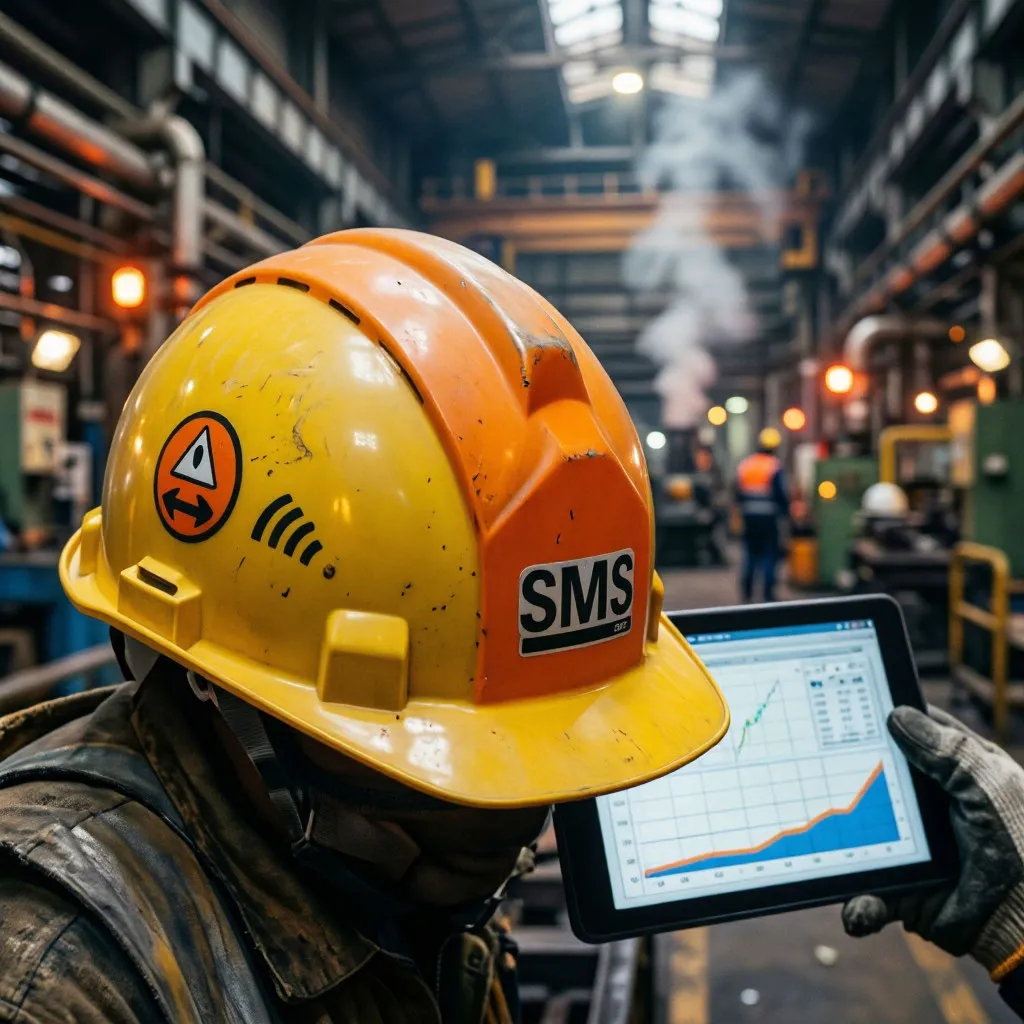
The operating environment of a heavy industrial site is a complex matrix of stored energy, high-tonnage machinery, and volatile materials. Whether on an offshore oil platform, within a deep mining shaft, or across a massive infrastructure development, the physical risks faced by personnel on a daily basis are immense. Historically, safety in these sectors was managed reactively, with new rules and procedures introduced only after a serious incident or near-miss occurred. Today, this post-incident approach is no longer acceptable. Modern heavy industry demands a proactive, systematic framework that identifies hazards and mitigates risks before they can cause harm. Implementing a highly disciplined safety culture is the defining factor in protecting human lives, maintaining operational continuity, and securing corporate reputation.
Designing an integrated site safety management system
An effective safety framework is not merely a collection of warning signs and safety manuals; instead, it is a living, breathing ecosystem integrated directly into the daily operational workflow. A comprehensive Site Safety Management System coordinates organizational structures, responsibilities, policies, and physical resources to establish a highly structured environment where safety is prioritized alongside production. This system ensures that risk management is not treated as a secondary administrative task, but as an essential element of every engineering decision, procurement contract, and operational shift.
Establishing a self-sustaining safety culture requires a clear, phased implementation plan that transitions the workforce from passive compliance to active ownership of safety protocols. By breaking the deployment down into distinct, manageable stages, organizations can systematically address both structural and behavioral risks across the entire site. The following sequence outlines the essential phases required to implement and embed a resilient safety management framework within a high-hazard operational environment:
- Establish leadership commitment: securing active, visible sponsorship from senior executives who lead by example and prioritize safety over production targets.
- Conduct comprehensive hazard identification: mapping every physical, chemical, and ergonomic risk across the facility using advanced risk-mapping techniques.
- Formulate clear operational procedures: drafting straightforward, non-negotiable safety guidelines for all high-hazard tasks, including confined-space entry and hot work.
- Deploy continuous workplace monitoring: establishing real-time feedback loops through supervisor inspections, sensor data, and employee hazard reporting.
- Review and update safety policies: holding regular management reviews to analyze incident data, near-miss reports, and regulatory updates to refine the safety system.
Executing this structured sequence allows industrial organizations to build a safety architecture that adapts dynamically to changing site conditions. By ensuring that senior leaders are actively involved and that field operators have a direct channel to report hazards, companies can identify systemic weaknesses before they result in accidents. This proactive feedback loop is the foundation of long-term risk reduction, transforming safety from an abstract policy into a practical, daily habit for every individual on the workshop floor.
The role of compliance and performance auditing
Maintaining an accident-free record over several years requires continuous validation of the safety system’s effectiveness. This validation is achieved through a combination of internal and external audits, which serve to verify that documented policies are actively practiced in the field. Operating in full alignment with national regulatory frameworks, such as the Health and Safety Executive guidelines, ensures that the organization remains compliant with the latest legal standards while continuously refining its risk mitigation strategies.
To understand the immense value of a structured safety management system, project directors must contrast the performance of proactive organizations with those that rely on traditional, reactive safety methods. This evaluation reveals how a disciplined approach to risk mitigation directly impacts key operational, financial, and regulatory performance metrics. The comparative matrix below analyzes how these two distinct approaches handle safety management, compliance tracking, and incident response within a typical heavy industrial setting:
| Performance parameter | Reactive safety approach | Proactive safety management system |
|---|---|---|
| Primary focus | Compliance through enforcement after an incident occurs | Prevention through risk-based thinking and continuous improvement |
| HSE compliance engineering | Basic; focuses on avoiding regulatory fines and penalties | Advanced; integrates ergonomic and engineering design to eliminate hazards |
| Incident investigation | Seeks to assign blame to individuals involved | Seeks to identify root systemic causes and process failures |
| Audit methodology | Occasional; often performed only after a serious failure | Continuous; structured audits executed on a weekly and monthly basis |
| Workforce involvement | Passive; employees receive instructions without active input | Active; employees participate in risk assessments and safety committees |
| Long-term safety record | Unstable; characterized by periodic incidents and near-misses | Consistent; achieves years of zero-harm operations through discipline |
This systematic comparison demonstrates that a proactive safety management system is a highly effective tool for stabilizing operational performance and reducing compliance risks. By shifting the organizational focus from assigning blame to identifying systemic root causes, companies can build a culture of trust where employees feel empowered to report hazards. This collaborative environment is essential for maintaining a clean safety record, as it ensures that minor anomalies are resolved long before they escalate into major incidents.
Empirical training protocols for high-hazard environments
Even the most advanced safety management system will fail if the personnel on the ground lack the competency to execute it. In heavy industries like steel manufacturing, mining, and civil engineering, human behavior remains the final line of defense against workplace accidents. This reality makes continuous, high-quality training an absolute necessity for every individual who accesses the site, ensuring they can recognize hazards and respond appropriately in an emergency.
Building a highly competent workforce requires a comprehensive training program that addresses both general safety awareness and highly specialized, safety-critical tasks. By offering targeted training paths tailored to specific job roles, contractors can ensure that every worker possesses the exact skills required to maintain site safety. The following modules highlight the core safety-critical training programs that modern industrial organizations must implement to guarantee operational compliance:
- Safety critical training UK construction standards: verifying that all trackside and high-hazard construction workers hold valid, accredited safety credentials.
- Confined space entry and rescue: training technicians to safely monitor atmospheres, use breathing apparatuses, and execute emergency evacuation plans.
- Working at height and fall arrest: educating workers on the proper selection, inspection, and use of harnesses, lanyards, and temporary scaffolding.
- Hazardous energy isolation: instructing maintenance teams on robust lockout-tagout procedures to neutralize electrical, hydraulic, and thermal risks.
- Dynamic site risk assessment: equipping field supervisors with the skills to identify shifting environmental hazards and adapt safety systems in real-time.
Deploying these targeted training modules ensures that every worker on the site is fully equipped to protect themselves and their colleagues from catastrophic hazards. By maintaining a centralized competency database, project managers can instantly verify that only qualified individuals are assigned to high-risk tasks, eliminating the risk of human error. This systematic approach to competency management is a cornerstone of modern industrial safety, proving that a well-trained team is the most effective safety asset an organization can possess.
The future of digital safety management and continuous improvement
As technology continues to advance, the integration of digital tools is transforming how industrial organizations manage workplace safety. Wearable sensors, drone-mounted gas detectors, and automated site audit platforms allow safety managers to monitor environmental conditions and workforce fatigue in real-time. By analyzing this continuous stream of data, companies can identify patterns and predict potential hazards before they manifest as physical risks on site.
Conclusion
Maintaining an impeccable occupational health and safety record in heavy industry is not a matter of luck; rather, it is the direct result of structured discipline, continuous investment in human capital, and a relentless commitment to risk-based thinking. By implementing an integrated Site Safety Management System and prioritizing safety-critical training, companies can protect their most valuable assets—their people—while securing their operational efficiency. Ultimately, the true value of an effective safety management system lies in its power to transform safety from a regulatory burden into a shared cultural value, ensuring that every worker returns home safely at the end of every shift.