Modernising UK rail infrastructure: key safety and technology updates
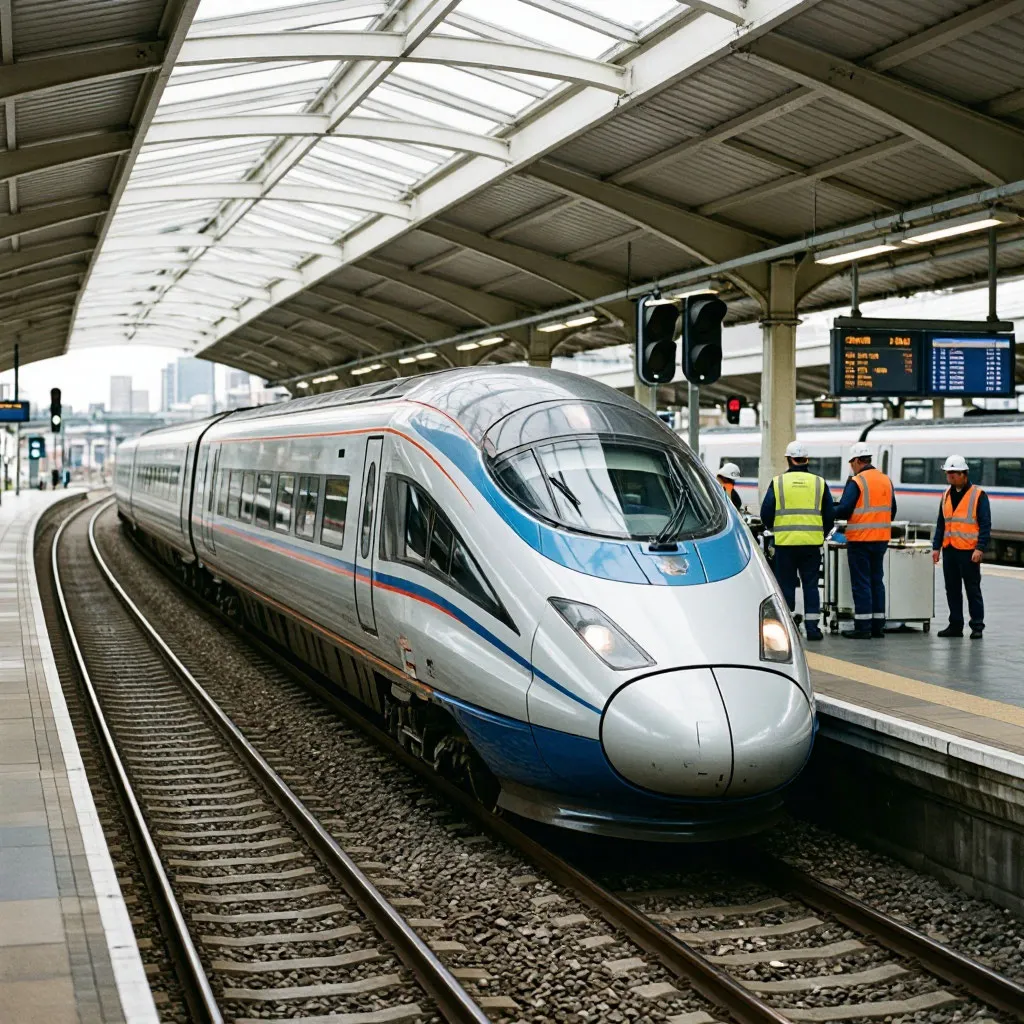
The United Kingdom rail network is undergoing its most significant technological and structural shift in a generation. With the activation of Control Period 7 (CP7), the focus of capital investment has pivoted decisively from massive, new-build megaprojects toward the modernization, electrification, and digitization of the existing footprint. This strategic redirection is driven by the urgent need to improve passenger reliability, reduce operational carbon emissions, and elevate trackside safety to historic highs. For supply chain partners, contractors, and consulting engineers, keeping pace with these rapid changes is essential for maintaining compliance and securing long-term framework contracts.
Navigating the regulatory shift in Control Period 7
The funding and operational priorities set by the regulator for the current five-year cycle represent a fundamental change in how track assets are managed. Rather than focusing on expanding the network, the industry is prioritizing asset life extension and predictive maintenance. This shift is deeply reflected in recent UK rail infrastructure news, where funding is increasingly directed toward climate change resilience, structural drainage upgrades, and the stabilization of aging earthworks.
Furthermore, the legal landscape governing trackside operations continues to tighten under updated railway safety legislation. The Office of Rail and Road (ORR) has made it clear that principal contractors must actively reduce the exposure of human workers to live track environments. This regulatory pressure is accelerating the retirement of traditional, manual maintenance practices in favor of automated and remote monitoring solutions. Consequently, contractors must adapt their operating models to align with these strict safety mandates, ensuring that zero-harm goals are treated as non-negotiable project deliverables.
The evolution of supplier qualification and RISQS updates
To ensure that the supply chain can deliver these highly advanced engineering programs safely, the systems used to qualify and audit contractors are undergoing significant revisions. The Railway Industry Supplier Qualification Scheme (RISQS) has updated its portal and audit protocols to reflect the digital and environmental demands of modern infrastructure delivery. These changes ensure that buyers can instantly verify not only the basic financial health of a supplier but also their technical readiness for high-tech rail operations.
To help contractors prepare for their next assessment window, it is helpful to examine the specific administrative and technical changes introduced in the latest portal revision. By aligning internal quality management systems with these updated standards, suppliers can ensure a seamless qualification process. The following points highlight the most critical areas of focus under the latest RISQS updates:
- Dynamic risk profiling: categorizing suppliers based on their live operational footprint rather than static historic declarations.
- Standardized carbon accounting: requiring verified calculations of Scope 1, Scope 2, and Scope 3 greenhouse gas emissions for all tier-one and tier-two suppliers.
- Sentinel integration enhancements: linking qualification profiles directly with live competency and medical records of safety-critical staff.
- Cyber security verification: auditing the digital defense systems of contractors who access Network Rail’s internal data networks.
- Social value measurement tools: introducing standardized metrics to evaluate a supplier’s contribution to local communities and workforce diversity.
Adhering to these updated compliance pathways is essential for any business aiming to secure a position on future regional delivery frameworks. By proactively upgrading their registered capabilities, suppliers demonstrate to major buyers that they are equipped to handle the rigorous demands of modern, data-driven rail projects. This administrative alignment is the first and most critical step in building a resilient, future-proof contracting business.
Technological shifts in automated asset monitoring
The drive to reduce trackside safety risks has sparked a technological revolution in how physical infrastructure is inspected and maintained. Historically, track geometry, rail wear, and overhead line alignment were measured by teams of engineers walking the live track with manual gauges during night possessions. Today, this manual approach is being rapidly replaced by automated monitoring fleets and remote sensor networks.
The deployment of these advanced telemetry systems has fundamentally changed the risk profile of routine maintenance operations. By utilizing specialized train-mounted measuring systems, such as Plain Line Pattern Recognition (PLPR), engineers can scan thousands of miles of track at line speed, identifying microscopic defects before they can cause service disruptions. The comparative overview below illustrates how these technological advancements compare with conventional manual inspection methods across key operational metrics:
| Operational parameter | Conventional manual track inspection | Digital automated monitoring systems |
|---|---|---|
| Boots on the ballast risk | High; requires physical track walks in live or isolated environments | None; data is captured by high-speed trains or remote sensors |
| Data capture speed | Slow; restricted to the walking pace of the inspection team | Rapid; operates at standard passenger line speeds up to 125 mph |
| Measurement accuracy | Subject to human error and manual gauge calibration | Sub-millimeter precision utilizing laser and ultrasonic sensors |
| Predictive capability | Low; represents a static snapshot of the asset at a single point | High; allows for trend analysis and machine-learning fatigue modeling |
| Logistical disruption | High; requires line blocks, possessions, and safety lookouts | Negligible; operates seamlessly within the standard passenger timetable |
This comparative analysis clearly demonstrates why Network Rail is mandating the integration of automated monitoring technologies across all regional routes. While the initial investment in sensor technology is substantial, the long-term benefits in terms of worker safety and network reliability are indisputable. By minimizing the need for manual track access, these systems allow maintenance teams to transition from reactive repairs to a highly efficient, predictive maintenance model.
Transforming the competency profiles of trackside engineers
As the tools used to monitor and maintain the railway become more sophisticated, the skill sets required of the engineers operating them must evolve in tandem. The modern rail engineer is no longer solely a civil or mechanical specialist; they must also possess a high degree of digital literacy to interpret complex telemetry data. This transition is reshaping the educational and certification requirements managed through national training frameworks.
To prepare the workforce for this digital future, training providers are updating their curriculums to bridge the gap between traditional trackcraft and modern software engineering. This training evolution ensures that site teams can collaborate effectively with centralized data analysts to execute rapid, targeted repairs. To succeed in this modernized environment, engineers must develop several core technical and analytical competencies:
- Advanced telemetry data analysis: learning to read and interpret PLPR scans, ultrasonic reports, and ground-penetrating radar data.
- Remote diagnostic tool operation: mastering the setup, calibration, and maintenance of trackside IoT sensors and acoustic monitors.
- Digital safety system management: utilizing mobile applications and synchronized databases to manage live track access and site permits.
- Drone-assisted structural inspection: operating unmanned aerial vehicles to assess hard-to-reach assets like high viaducts and steep earthworks.
- Collaborative digital workflow execution: working within unified building information modeling platforms to coordinate structural alterations.
Integrating these digital competencies into standardized training pathways ensures that the next generation of rail professionals can maximize the value of modern monitoring technologies. By equipping engineers with these analytical skills, contractors can ensure their teams remain highly productive during short possession windows. This progressive approach to workforce development is essential for maintaining compliance with updated HSE standards and delivering complex engineering projects safely.
Conclusion
The modernization of the UK rail network is a continuous journey that demands absolute alignment between technology, safety legislation, and workforce competence. By embracing automated track monitoring systems and adapting to the latest RISQS qualification standards, the supply chain can support the delivery of a safer, more reliable, and lower-carbon railway. Ultimately, the success of this transition relies on the industry’s ability to upskill its people, ensuring that the engineers maintaining our critical infrastructure are as advanced as the technologies they deploy.