Navigating RISQS/Link-Up accreditation for UK rail subcontracting
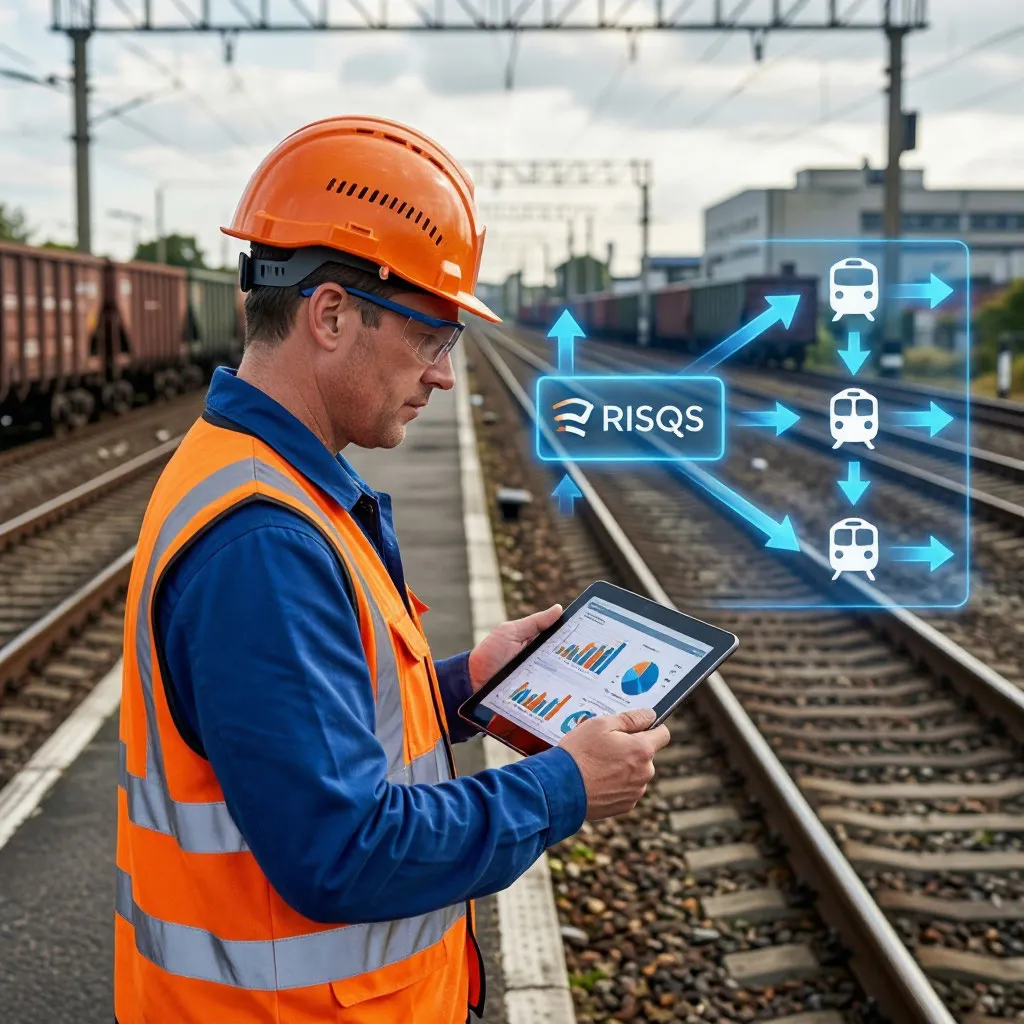
The United Kingdom rail infrastructure is one of the most strictly regulated safety-critical environments in the world. For small to medium enterprises looking to secure subcontracting work, navigating this complex landscape can feel daunting. Historically known as Link-Up, the Railway Industry Supplier Qualification Scheme (RISQS) has become the definitive single portal for supplier registration, qualification, and audit. For any business aiming to supply goods or services to major buyers, holding this credential is not an optional badge of honor: it is an absolute operational necessity. Major infrastructure delivery partners do not risk working with unverified organizations, meaning that a robust understanding of this system is the key to unlocking highly lucrative long-term frameworks.
Understanding the modern procurement landscape: a shift toward standardized safety
The procurement strategies of major infrastructure developers have evolved to prioritize risk mitigation and supply chain transparency above all else. In an industry where a single minor component failure or a safety oversight can lead to catastrophic accidents or severe network-wide delays, the barrier to entry must remain exceptionally high. This is where the RISQS qualification serves as the ultimate benchmark. Rather than requiring every subcontractor to undergo a separate pre-qualification questionnaire for every individual project, the industry utilizes a centralized, industry-owned database. This system allows buyers to instantly verify the financial stability, safety management systems, environmental policies, and technical capabilities of potential partners before they are even invited to tender.
Why major framework holders demand rigorous compliance
To understand the immense value of this verification, one must examine the operational responsibilities of UK rail framework contractors. Principal contractors, including historic leaders like Birse Rail and major contemporary players like AMCO Giffen, manage multi-million-pound asset management and civils frameworks for Network Rail. These primary contractors are legally and contractually responsible for every single action that takes place on their worksites. If a subcontractor fails to adhere to safety protocols, the principal contractor faces severe reputational damage, heavy financial penalties, and the potential loss of their primary licenses. By exclusively partnering with Link-Up accredited rail suppliers, these industry giants can guarantee to Network Rail that every individual on site operates under a fully compliant, audited, and standardized management system.
The structured pathway to achieving verified status
Achieving this verified status requires a systematic approach to compliance, starting with an in-depth self-assessment of your business capabilities. Organizations must carefully select the specific product and service codes that match their actual expertise, as these codes dictate the level of scrutiny and the type of audit they will face. To help businesses navigate this initial setup phase and avoid common pitfalls during the submission, we have outlined the essential steps required to successfully complete the registration and verification process:
- Registration and portal setup: Create an account on the official portal and input your basic company details, financial records, and operational structure.
- Product code selection: Carefully select the specific rail industry codes that align with your services, as choosing safety-critical codes will automatically trigger audit requirements.
- Questionnaire completion: Provide detailed evidence regarding your quality management systems, environmental protection policies, and occupational health and safety protocols.
- Document verification: Submit physical proof of insurances, professional certifications, and technical licenses to the verification team for manual review.
- The physical audit: If your selected codes require it, undergo a comprehensive on-site assessment where an independent auditor verifies that your documented processes are actively practiced by your staff.
- Maintenance and renewal: Regularly update your portal profile, upload renewed insurance certificates, and prepare for annual reassessments to keep your status active.
This structured sequence ensures that every applicant is thoroughly vetted, preventing under-qualified or financially unstable businesses from entering high-risk trackside environments. Once these steps are successfully navigated, your business becomes visible to hundreds of active buyers who utilize the platform daily to source reliable, compliant supply chain partners.
Comparing different levels of the qualification process: a detailed breakdown
The depth of the qualification process depends heavily on whether your business provides safety-critical services directly on the operational railway or supplies non-critical goods off-site. The system is designed to be fair and scalable, ensuring that a local catering company or a general office supplier does not have to jump through the same complex safety hoops as an engineering firm that performs live track repairs. To clarify these differences, the comparative overview below outlines the specific verification levels, their associated requirements, and the typical types of services that fall under each category within the rail supply chain:
| Verification category | Target services | Core requirements | Audit requirement |
|---|---|---|---|
| Level 1: portal registration | Non-trackside services, office supplies, consultancy | Basic company details, financial checks, basic policy uploads | No physical audit required |
| Level 2: verified status | Standard supply chain, off-site manufacturing, component logistics | Comprehensive questionnaire, insurance verification, environmental policies | Desktop verification only |
| Level 3: audited status | Safety-critical work, on-site civils, signaling, track maintenance | Complete management system audit, Sentinel integration, safety-critical assessments | Mandatory annual on-site audit |
| Level 4: sentinel sponsor | Direct labor supply, track safety personnel, COSS providers | Advanced rail safety management, drug and alcohol policies, fatigue monitoring | Intensive annual safety-critical audit |
By categorizing suppliers in this manner, the system maintains maximum safety across the network without placing unnecessary administrative burdens on low-risk business partners. This targeted approach allows smaller companies to enter the market at a lower level and gradually upgrade their qualifications as they expand their service offerings and target larger framework contracts.
Key business advantages of holding active accreditation
Securing this accreditation is far more than a regulatory box-ticking exercise; it is a powerful business development tool that dramatically increases your market reach. When major contractors search for delivery partners, they rely on the database’s filtering system to quickly compile shortlists of compliant candidates. By maintaining a flawless registration profile, your business gains direct exposure to high-value opportunities that are never advertised to the general public. The list below highlights the primary commercial and operational advantages that accredited organizations enjoy within this highly competitive marketplace:
- Direct visibility: Your company profile is immediately searchable by procurement teams at Network Rail, London Underground, and all major tier-1 contractors.
- Reduced bidding costs: Because your fundamental pre-qualification data is already verified, you can bypass the repetitive PQQ stage for individual tenders.
- Competitive differentiation: Holding an audited status instantly signals to potential clients that your organization operates to the highest standards of safety and quality.
- Access to framework agreements: Most long-term regional asset management programs are strictly limited to verified suppliers, making this credentials a ticket to predictable revenue.
- Enhanced safety culture: The process of preparing for audits naturally refines your internal safety protocols, protecting your employees and reducing the risk of workplace incidents.
Investing the time and resources into this qualification represents a clear commitment to excellence that resonates with procurement managers across the country. It transforms your business from a standard regional contractor into a trusted, reliable partner capable of delivering complex engineering solutions under the most demanding conditions.
Conclusion
The UK rail sector is poised for decades of sustained investment, but this potential can only be tapped by organizations that prioritize compliance and safety above all else. Navigating the accreditation system requires patience, meticulous documentation, and a genuine commitment to operational safety, but the rewards are undeniable. By achieving and maintaining this status, your business secures its place in a robust, exclusive supply chain, paving the way for profitable partnerships with the industry’s most respected framework contractors.