Heavy lifting and assembly of large structures in the power and mining sectors
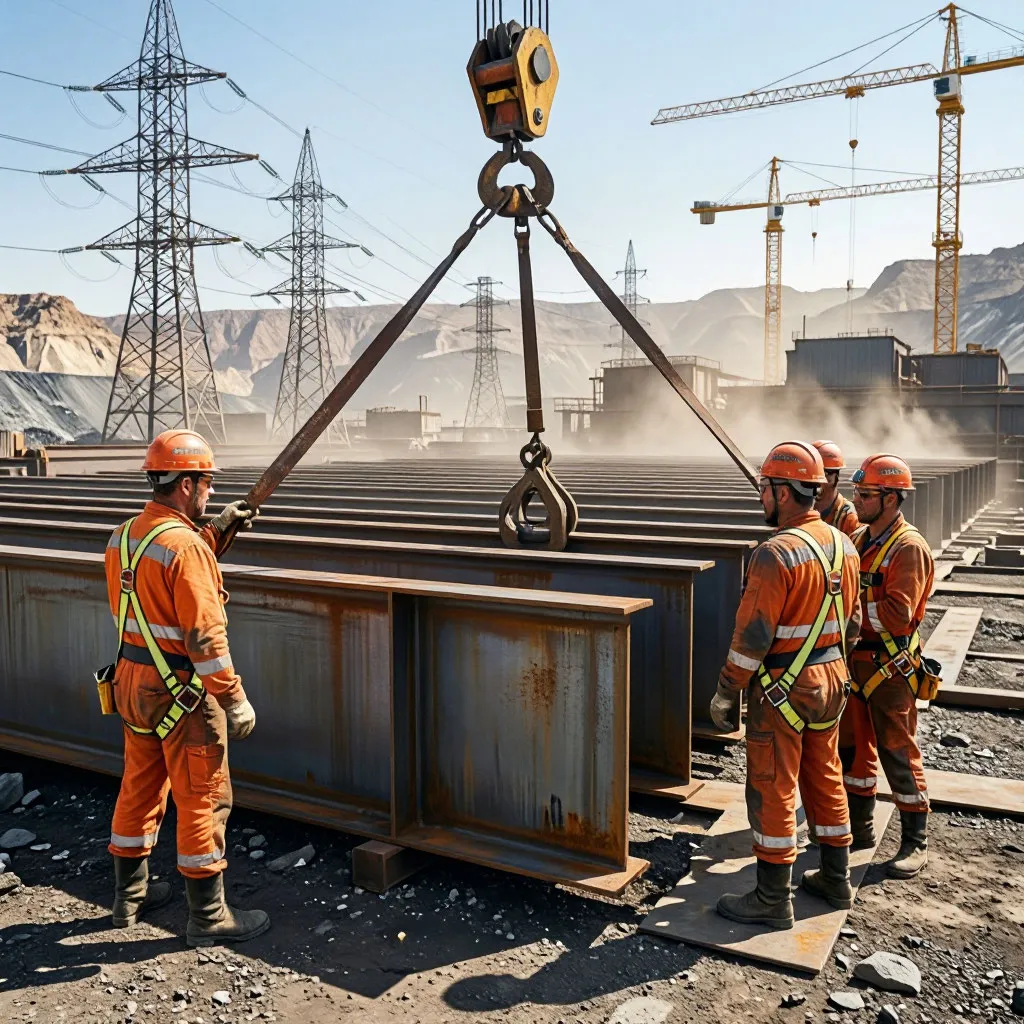
Industrial facilities in the power generation and mining sectors are defined by their sheer scale and structural density. Moving massive components—such as steam drums, ball mills, generators, and heavy structural steelwork—requires an extraordinary level of logistical and technical precision. Unlike standard construction sites, power stations and mining environments present extreme spatial constraints, hazardous atmospheres, and live operational assets that must be safeguarded. Executing major installations or upgrades in these settings demands a rigorous approach to engineering planning, where safety and structural integrity are managed with absolute zero-tolerance for error.
Critical engineering considerations for heavy lift planning
Every successful lift begins months before any machinery arrives on site, starting in the design office. Specialists in heavy lifting engineering UK regulations must conduct exhaustive structural and environmental assessments to ensure the surrounding infrastructure can support the massive loads. This process involves calculating not only the static weight of the component but also the dynamic forces exerted during movement, including wind shear, rigging tension, and potential center-of-gravity shifts.
Furthermore, the ground conditions in heavy industrial environments are notoriously unpredictable. Underground services, culverts, old foundations, and varying soil compaction levels present significant hazards for high-tonnage cranes. Engineers must design custom outrigger pads or steel load-spreading mats to distribute the crane’s weight safely, ensuring the ground bearing capacity is never exceeded. This meticulous preparation prevents ground subsidence, which is one of the leading causes of crane instability during complex lifting operations.
Overcoming structural constraints in legacy facilities
Many of the most challenging lifts occur during an industrial plant refurbishment where existing structures cannot be dismantled. In these scenarios, introducing modern, high-capacity machinery is often impossible due to overhead pipe racks, low ceilings, or adjacent live machinery. A contractor must therefore develop highly creative rigging solutions to maneuver massive components through tight physical openings.
To overcome these physical limitations, engineering teams frequently utilize alternative lifting systems such as hydraulic gantries, strand jacks, or customized sliding systems. These technologies allow heavy components to be lifted, skidded, and positioned with millimeter-precision in environments where a traditional mobile crane cannot operate. By minimizing the need to dismantle surrounding structures, these methods dramatically reduce plant downtime and keep refurbishment projects on schedule.
Essential phases of a heavy lifting operation
Executing a complex heavy lift requires a highly structured sequence of operational milestones that must be meticulously followed by the site team. Each stage of the lifecycle, from the initial concept design to the final load handback, must be verified and signed off by qualified engineers to prevent catastrophic structural failures. To ensure maximum safety and efficiency, the execution of a heavy lift must progress through several distinct, non-negotiable phases:
- Feasibility and site survey: analyzing the physical space, identifying overhead obstructions, and determining ground bearing capacities.
- Rigging and lift design: calculating the center of gravity, selecting appropriate lifting points, and drafting detailed three-dimensional drawings.
- Risk assessment and method statement (RAMS) approval: detailing hazard control measures, emergency escape routes, and communication protocols.
- Site preparation and rigging assembly: preparing the ground surface, assembling the lifting equipment, and certifying all rigging gear.
- Executing the physical lift: lifting the load incrementally, continuously monitoring load distribution, and positioning the component onto its foundation.
- De-rigging and structural handover: dismantling the lifting systems, securing the newly installed component, and signing off the project.
Following this logical sequence allows engineering teams to identify potential hazards long before any equipment is mobilized to the site. This disciplined progression ensures that every variable is controlled, allowing the project to proceed smoothly without causing unexpected delays to the broader construction program.
Comparing lifting technologies and their deployment criteria
Selecting the correct lifting technology is one of the most critical decisions during the planning phase, as the wrong choice can lead to structural damage or excessive operational costs. Engineers must balance the physical constraints of the site with the weight of the load, the required reach, and the overall stability of the lifting mechanism. The comparative overview below details the primary lifting technologies utilized in heavy industrial environments and their specific operational profiles:
| Lifting technology | Optimal applications | Key advantages | Primary limitations |
|---|---|---|---|
| Mobile cranes | Open-air sites, rapid deployments, moderate loads | High mobility, quick setup times, versatile boom configurations | Large ground footprint, highly susceptible to wind delays |
| Crawler cranes | Heavy structural assembly, long-term projects, soft ground | Exceptional lifting capacities, ability to travel with loads | Complex transport logistics, lengthy assembly times on site |
| Hydraulic gantries | Low-overhead environments, turbine halls, indoor positioning | Excellent stability, precise control, minimal headroom required | Limited lateral movement, requires flat and level trackways |
| Strand jack systems | Heavy bridge installations, tall towers, extreme vertical lifts | Practically unlimited lifting height, very small footprint | Extremely slow operation speeds, requires custom anchor points |
Analyzing these technical parameters allows project directors to select the most efficient equipment configuration for their specific site conditions. By matching the lifting system to the physical boundaries of the facility, contractors can significantly reduce site footprint requirements and minimize the structural preparation needed before the lift occurs.
Navigating safety regulations and team competencies
In the heavy industrial sector, safety is not merely a compliance goal; it is the foundation of operational survival. Any reputable mechanical engineering contractor must operate under strict adherence to national safety standards, such as the Lifting Operations and Lifting Equipment Regulations (LOLER). These standards mandate that every lifting operation must be planned by a competent person, supervised appropriately, and carried out in a safe manner.
Beyond equipment certification, the human element remains the most critical factor in risk mitigation. Every individual involved in the lift must hold valid, industry-approved qualifications and undergo rigorous, site-specific safety briefings. A single miscommunication or an incorrectly secured sling can have devastating consequences, making continuous training and strict adherence to the chain of command essential for site safety.
Core roles in a heavy lift engineering team
A successful heavy lifting operation is entirely dependent on the competency and coordination of the personnel executing the lift plan. Each team member must possess industry-recognized qualifications and have a clear, unambiguous understanding of their specific responsibilities during the operation. The critical roles that must be staffed during any complex industrial lift include:
- Appointed person (AP): the individual responsible for the overall planning, execution, and safety of the lifting operation.
- Lift supervisor: the professional who directs the lifting team on the ground and ensures the lift is executed in strict accordance with the approved method statement.
- Crane operator: the highly trained specialist responsible for maneuvering the crane safely and interpreting the load indicator signals.
- Slinger and signaller: the team members who secure the load using appropriate rigging gear and direct the operator using standard hand signals or radio communication.
- Rigging engineer: the technical expert who designs the custom lifting frames, spreader beams, and structural support systems.
Deploying a team with these verified competencies guarantees that every aspect of the lift is managed by a dedicated specialist. This clear division of labor prevents communication breakdowns, minimizes human error, and ensures that the operation is executed in full compliance with national safety legislation.
Conclusion
Managing heavy lifting and structural assembly in the power and mining sectors requires an uncompromising commitment to engineering excellence, meticulous planning, and safety. By utilizing advanced rigging technologies and deploying highly competent, specialized teams, contractors can overcome the most severe spatial and structural challenges. Ultimately, the successful execution of these complex lifts not only protects valuable industrial assets and personnel but also ensures that critical power and mining infrastructures continue to operate reliably, supporting the wider economy for years to come.