Decarbonising UK heavy industry: the future of Carbon capture and storage (CCS) infrastructure
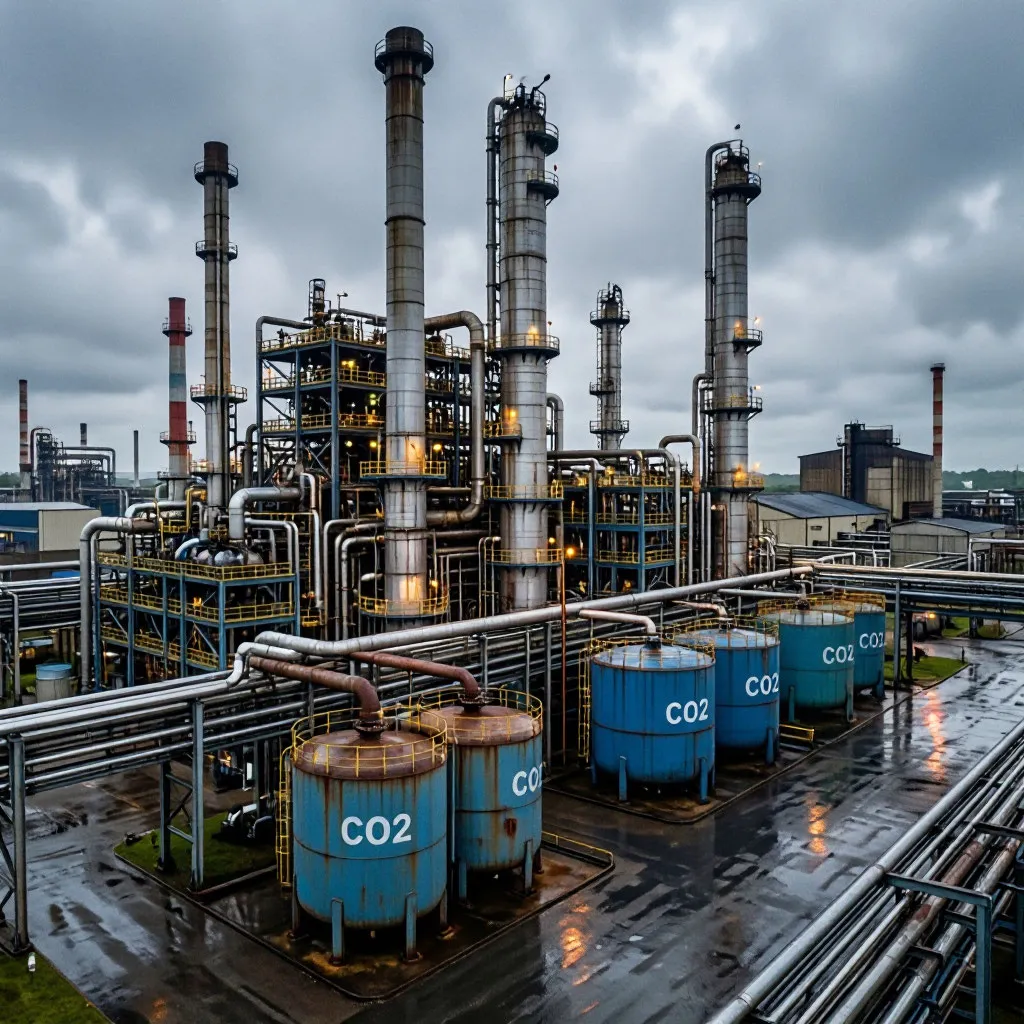
The historic chimneys of Britain’s industrial heartlands, once symbols of the Industrial Revolution, are undergoing a quiet but profound transformation. As the nation races towards its net-zero obligations, heavy industries like cement, steel, and chemical manufacturing are finding new ways to operate without releasing tons of greenhouse gases into the atmosphere. This massive shift relies heavily on capturing emissions at the source and burying them deep beneath the sea, turning older manufacturing hubs into pioneers of modern environmental technology.
The rise of net-zero industrial clusters
Rather than forcing individual factories to build isolated solutions, the UK has pioneered a collaborative approach based on shared regional networks. By grouping high-emission facilities together, the country is establishing highly efficient net-zero industrial clusters that share the massive costs of transport and storage. The East Coast Cluster, which unites the industrial powerhouses of the Humber and Teesside, stands at the absolute forefront of this transition. These regions generate a significant portion of the country’s industrial emissions, making them the perfect proving grounds for large-scale carbon mitigation.
Several key regional projects are currently driving this massive transformation across the coastal regions:
- the East Coast Cluster: a massive initiative uniting Teesside and Humber to capture up to half of the UK’s industrial emissions;
- HyNet North West: a project focusing on reducing emissions across North West England and North Wales by producing low-carbon hydrogen;
- the Scottish Cluster: an initiative utilizing existing oil and gas pipelines to transport captured carbon to deep North Sea storage sites;
- Viking CCS: a Humber-based project designed to transport liquid carbon dioxide via ship and pipeline to depleted gas fields.
These regional networks form the backbone of the country’s broader environmental strategy, ensuring that heavy manufacturing can continue to support local economies without damaging the global climate. By linking multiple factories to a single transport network, the overall financial risk for participating companies drops significantly.
The complex world of carbon capture engineering
Taking carbon dioxide from a factory chimney and placing it safely under the seabed is an incredibly complex task that requires specialized technical expertise. This is where the field of carbon capture engineering comes into play, translating theoretical climate goals into physical steel, concrete, and monitoring software. Engineers must design systems that can handle gases at extreme pressures and temperatures, preventing leaks and ensuring long-term structural integrity.
The physical process of moving and storing carbon involves several distinct technical phases that engineers must carefully manage:
- Chemical separation: isolating carbon dioxide from other flue gases using advanced liquid solvents or membrane filters;
- Compression: squeezing the captured gas into a dense, liquid-like state to make transport highly efficient;
- Pipeline transport: moving the dense fluid through high-pressure pipelines designed to resist chemical corrosion;
- Offshore injection: pumping the liquid carbon deep into depleted oil reservoirs or saline aquifers beneath the North Sea.
Each of these steps requires continuous monitoring and advanced materials to guarantee that the stored gas remains permanently trapped deep underground. The immense scale of these systems represents some of the most ambitious engineering work taking place in Europe today.
Mapping the progress of major UK projects
To understand how these massive engineering efforts translate into real-world progress, it is helpful to look at the specific timelines and targets set for the most advanced regional hubs. The following comparison highlights the current scale, target capacity, and main storage sites for the primary initiatives shaping the country’s landscape:
| Cluster name | Main target industries | Annual CO2 capacity target | Primary storage location |
|---|---|---|---|
| East Coast Cluster | Power, chemicals, steel | 20 million tonnes | Endurance saline aquifer |
| HyNet North West | Cement, hydrogen, refining | 10 million tonnes | Depleted Irish Sea gas fields |
| Viking CCS | Power generation, refining | 10 million tonnes | Depleted southern North Sea fields |
| Scottish Cluster | Chemicals, power, gas | 5 million tonnes | Acorn offshore storage site |
These figures demonstrate the immense scale of the planned CCS infrastructure UK network, which aims to safely store tens of millions of tonnes of emissions every single year. Achieving these targets requires not only engineering excellence but also a highly supportive regulatory environment and substantial financial backing.
Government funding and the market outlook in 2026
Building thousands of miles of high-pressure pipelines and drilling deep injection wells requires billions of pounds in upfront capital. In 2026, the progress we see is largely driven by a massive influx of public and private investment, facilitated by long-term government subsidies. The UK government has committed significant financial resources to de-risk these projects, offering revenue guarantees and direct capital grants to early adopters.
This financial support has transformed carbon capture from an expensive environmental obligation into a viable business model for heavy industry. By providing clear economic incentives, the state has encouraged private investors to fund the development of the shared pipelines and offshore platforms. As the physical infrastructure grows, the cost per tonne of captured carbon is expected to fall, making industrial decarbonisation UK a sustainable reality for decades to come.